CLEVELAND BORICUA NEWS | COURTS & COMMUNITY
This trial has become more than a courtroom story. Parents see their own postpartum fears, families see the cracks in mental-health care, and readers everywhere are wrestling with the same uncomfortable question: when does an explanation become a legal excuse?
By Cleveland Boricua News | Updated Aug. 31, 2026
La Fiebre 101.7 FM
 La Fiebre 101.7 FMLa música y la voz de Cleveland.ESCUCHA EN VIVO
CLEVELAND, Ohio — Be honest: have you checked for a verdict more than once today?
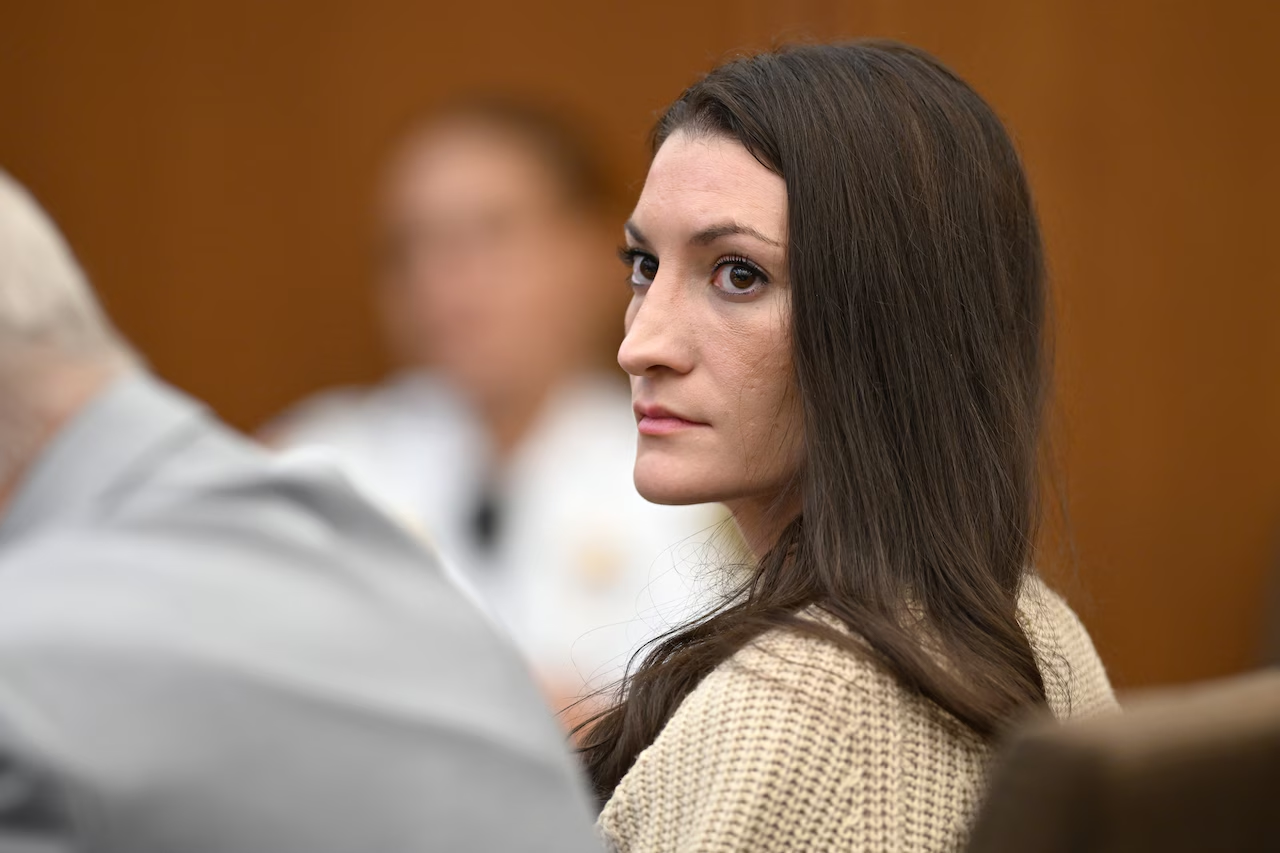
Maybe you started with one headline and suddenly found yourself comparing expert testimony, discussing postpartum psychosis or debating the case in a family group chat. That pull is part of what makes the Lindsay Clancy trial different. It reaches far beyond one Massachusetts courtroom and into conversations about motherhood, marriage, medicine, faith, responsibility and what it means to lose touch with reality.
Jurors returned Monday for a third day of deliberations after hearing five weeks of testimony from more than 80 witnesses. Yet the question keeping so many people invested is not simply what happened. Both the prosecution and defense agree that Lindsay Clancy killed her children. The fight is over how the law should judge her mental state at that moment.
Why people cannot look away
The family looked familiar. From the outside, the Clancys appeared to have the kind of busy suburban life many families recognize: young children, work, errands, routines and a home full of responsibility. That ordinary image makes the tragedy feel frighteningly close instead of distant.
Parents recognize the pressure nobody photographs. Some mothers and fathers hear the testimony about sleeplessness, anxiety, intrusive thoughts and repeated requests for help and remember moments when they also felt overwhelmed. Identifying with a struggle is not the same as excusing a crime—but it can make the case deeply personal.
Mental-health care is on trial in the public conversation. Readers keep returning to the medication changes, hospital visits, competing diagnoses and warning signs. Many want to know whether the system saw a mother in crisis and, if so, whether it understood how serious that crisis had become.
The legal question has no emotionally easy answer. Some people feel compassion when they hear the defense describe postpartum psychosis. Others focus on the prosecution’s evidence of planning and believe accountability must remain central. Many are caught somewhere in the middle—and that tension is exactly why the case keeps producing such intense debate.
Everyone has become an armchair juror. Court clips and recaps invite people to choose a side before hearing every witness. The challenge is separating a powerful personal reaction from the narrower legal question the actual jury must answer.

What is not disputed
On Jan. 24, 2023, at the family home in Duxbury, Massachusetts, 5-year-old Cora, 3-year-old Dawson and 8-month-old Callan Clancy were strangled with exercise bands. Lindsay Clancy then attempted to take her own life by jumping from a second-floor window while her then-husband, Patrick Clancy, was away picking up takeout and medicine.
The Plymouth County District Attorney’s Office later charged Lindsay Clancy with three counts of murder and three counts of strangulation. She pleaded not guilty by reason of lack of criminal responsibility.
That plea does not deny the physical acts. It asks whether severe mental illness prevented her from understanding the wrongfulness of those acts or from conforming her conduct to the law—the central issue jurors must now decide.
The prosecution’s case: planning, control and a conscious choice
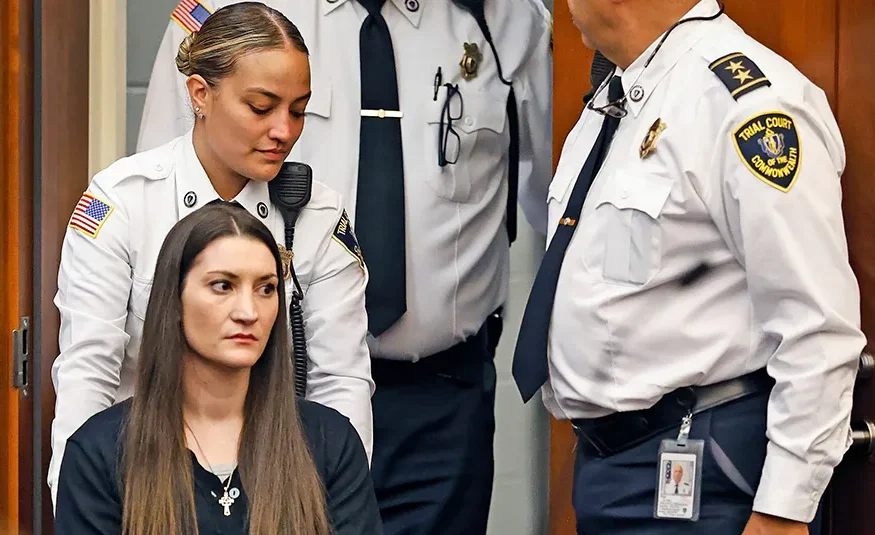
Prosecutors argue that Clancy was depressed and suicidal but not acutely psychotic. They say she deliberately created a window of time by sending Patrick to a pharmacy and to pick up dinner, then carried out the killings before attempting suicide.
The Commonwealth highlighted digital searches, text messages, timing, prescription bottles and Clancy’s conduct before and after the deaths. A prosecution forensic psychologist testified that he did not believe she was experiencing acute psychosis with command hallucinations and said the evidence showed she understood right from wrong.
In that view, mental illness may help explain the tragedy without legally excusing it.
The defense’s case: postpartum psychosis and a break from reality
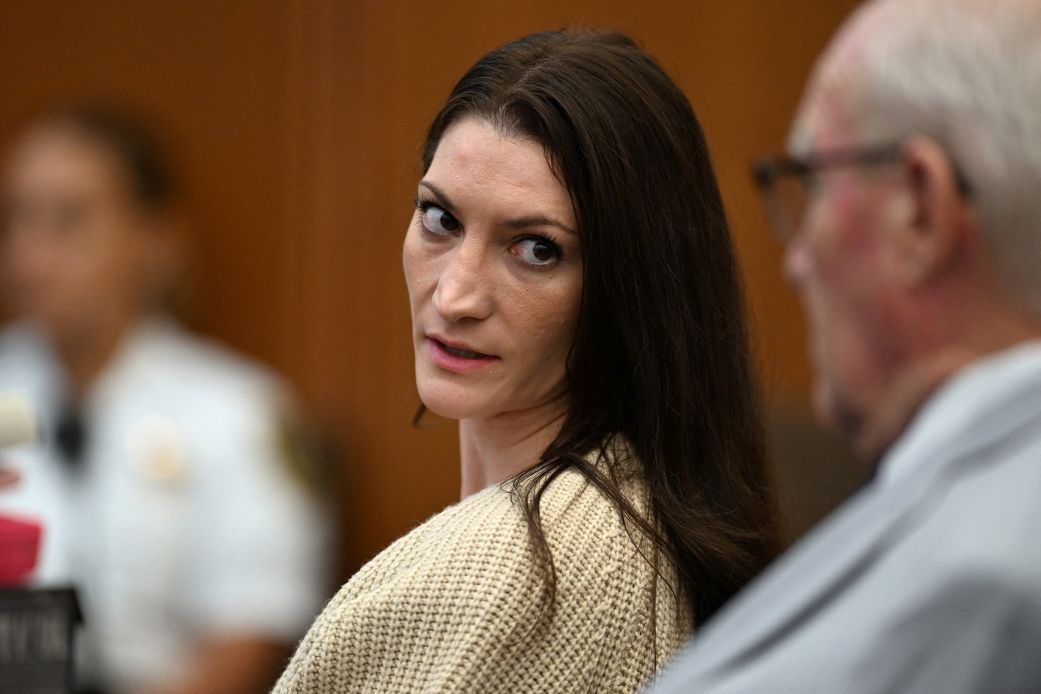
Clancy’s attorneys argue that she had lost touch with reality because of postpartum psychosis. The defense pointed to months of worsening anxiety, paranoia, suicidal thoughts, repeated medication changes and a psychiatric hospitalization. Family members described her as a loving mother who was struggling and asking for help.
A defense expert testified that Clancy had bipolar disorder and postpartum psychosis and believed she heard a voice commanding her to kill the children before taking her own life. Her lawyers say the mental-health system failed to recognize and properly treat the severity of her condition.
Cleveland Clinic describes postpartum psychosis as a rare but severe mental-health emergency that can disrupt a person’s sense of reality through hallucinations, delusions, paranoia and other sudden changes. The condition is treatable, but it requires immediate medical care.
Why this is not a “Lindsay or Patrick?” case
Some social-media conversations have asked whether Lindsay or her husband “really did it.” The public record does not support accusing Patrick Clancy of killing the children.
Patrick was away at a pharmacy and picking up takeout. Surveillance evidence and phone records were presented during the trial, and he made the anguished 911 call after returning home and discovering Lindsay outside and the children in the basement. He was not charged, and neither the prosecution nor the defense is presenting a theory that he killed the children.
Readers are free to scrutinize testimony and ask hard questions. But there is an important line between discussing evidence and turning unsupported online speculation into an accusation against a person who has not been charged.
What the jury can decide—and what a verdict may never settle
Jurors can return murder convictions, a lesser manslaughter verdict, an acquittal, or a verdict of not guilty by reason of lack of criminal responsibility. The consequences range from a possible life sentence to confinement in a mental-health facility, with future release depending on legal and medical findings.
Even a unanimous verdict may not resolve the question that has kept so many people invested: Where should society draw the line between explanation and accountability when severe mental illness is involved?
The case also leaves broader questions for hospitals, prescribers, families and public-health systems. Were the warning signs recognized? Was the right diagnosis considered? Did medication changes help or complicate her condition? And what safeguards are needed when a new parent says she is afraid of herself or no longer feels connected to reality?
What Is Keeping You Invested?
Which part of this case has stayed with you the most?
- The questions about postpartum mental health.
- The medication changes and whether warning signs were missed.
- The legal line between mental illness and criminal responsibility.
- The competing evidence about planning and psychosis.
- I am still undecided and waiting for the verdict.
Tell us what pulled you into this case and which evidence shaped your view. Keep the conversation respectful of Cora, Dawson and Callan.
Where the case stands
As of Monday morning, Aug. 31, jurors were returning for their third day of deliberations in Plymouth County Superior Court. Cleveland Boricua will update this report when a verdict is announced.
Need support? The National Maternal Mental Health Hotline is free, confidential and available 24/7 in English and Spanish. Call or text 1-833-TLC-MAMA (1-833-852-6262). It is not a crisis line. For suicidal crisis or immediate emotional support, call or text 988 or visit 988lifeline.org. If someone is in immediate danger, call 911.
Sources and further reading
- Cleveland.com: “A jury’s decision may not answer the biggest question in the Lindsay Clancy case”
- Associated Press: Jurors return for a third day of deliberations
- Associated Press: Key moments jurors may be considering
- Plymouth County District Attorney: Charges and arraignment
- Cleveland Clinic: Postpartum psychosis overview
Editor’s note: This story discusses the deaths of children and a suicide attempt. Lindsay Clancy has pleaded not guilty by reason of lack of criminal responsibility. This report will be updated as the trial develops.
YOU SHAPE THE NEWSROOM
What should Cleveland Boricua cover next?
YOUR CLEVELAND MEMORY
Were you there? Add your voice.
Share a memory, a correction, a family photo, or a lead for the next chapter. Every submission goes to the Cleveland Boricua moderation inbox first.
THE COMMUNITY QUESTION