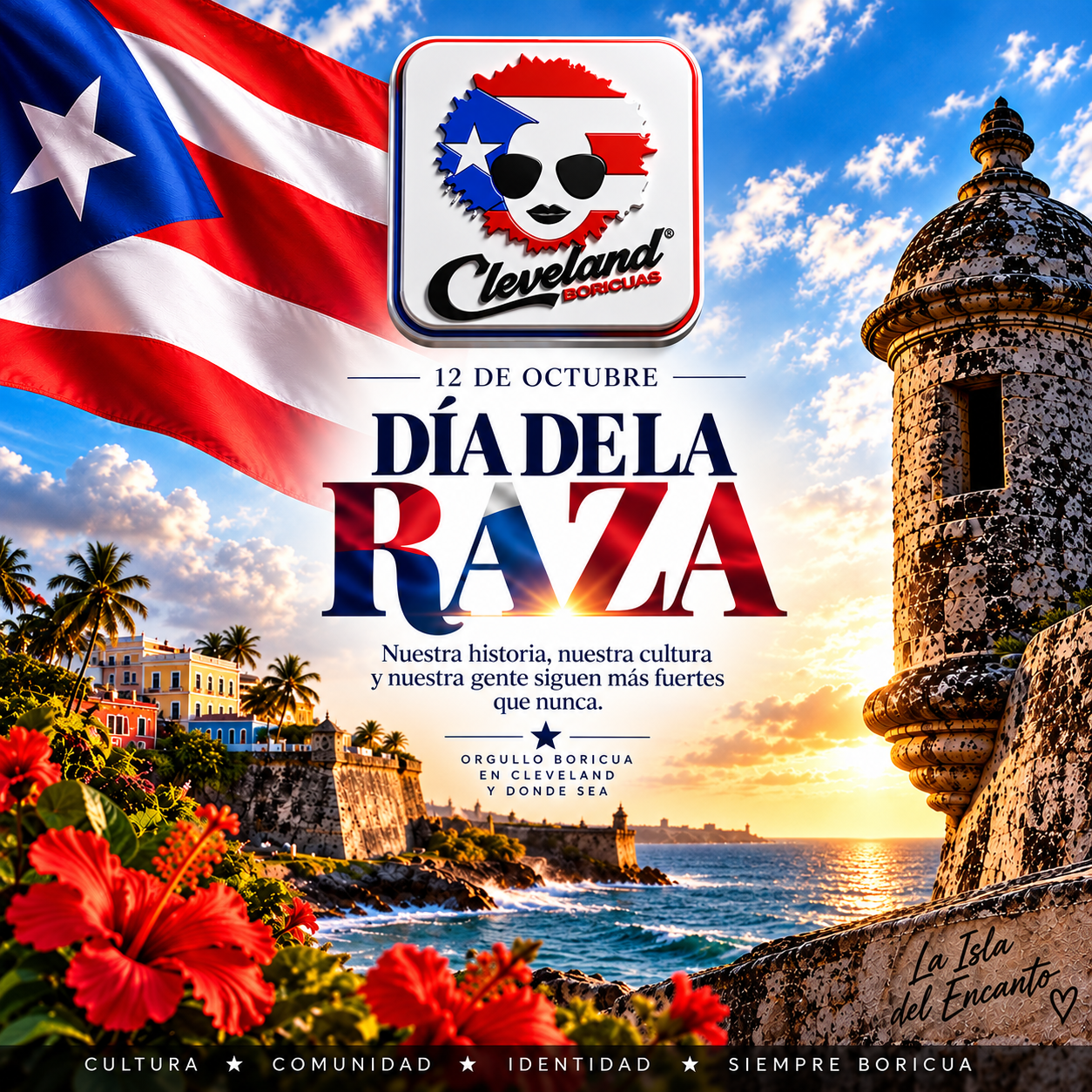
What October 12 means for Puerto Ricans—and why the story matters here in Cleveland.
Día de la Raza, observed on October 12 in Puerto Rico, can open a conversation for Puerto Ricans in Cleveland that reaches far beyond a holiday on the calendar. It asks us to think about who lived in Borikén before European ships arrived, what colonization cost, and how generations of people built the culture we carry today. Our history belongs in our homes, in our classrooms, and in the stories we tell our children.
Many of us know the date as Día de la Raza. Puerto Rico’s Department of Education lists October 12, 2026, under that name. But remembering the day thoughtfully means asking what the name celebrates, whose experiences it leaves out, and how we can make room for a fuller Puerto Rican story.Source: Puerto Rico Department of Education, 2026–2027 calendar.
La Fiebre 101.7 FM
 La Fiebre 101.7 FMLa música y la voz de Cleveland.ESCUCHA EN VIVO
October 12 recalls Columbus’s arrival in the Bahamas in 1492. His arrival in Puerto Rico is conventionally commemorated on November 19, 1493. Puerto Rico’s Law 117 of 2022 designated November 19 as Día de la Puertorriqueñidad. October 12 and November 19 are separate commemorations, with different historical meanings.
Library of Congress: October 12 · Law 117 of 2022, reproduced by LexJurisWhy is it called Día de la Raza?
The modern name did not come from the Taíno. In 1913, Faustino Rodríguez-San Pedro, president of Spain’s Unión Ibero-Americana, promoted a celebration linking Spain and Spanish-speaking America. The idea emphasized a shared Hispanic identity. It was a later interpretation of 1492, shaped by the politics and values of its own time.Sources: Argentina’s government: history of the name · Unión Ibero-Americana’s 1913 publication, archived by Universidad Internacional de Andalucía.
For a Puerto Rican audience, the phrase deserves careful handling. “Raza” can suggest a people or cultural community, but it also carries the weight of racial classification. Describing our identity through a single label can obscure the different experiences of Indigenous people, Africans and their descendants, Europeans, and later arrivals.
We do not all have to feel the same way about the holiday. Some families approach it as a celebration of heritage; others as a day of mourning, critique, or Indigenous recognition. A responsible community conversation can hold those differences while staying honest about the history.
Borikén had a history before Columbus
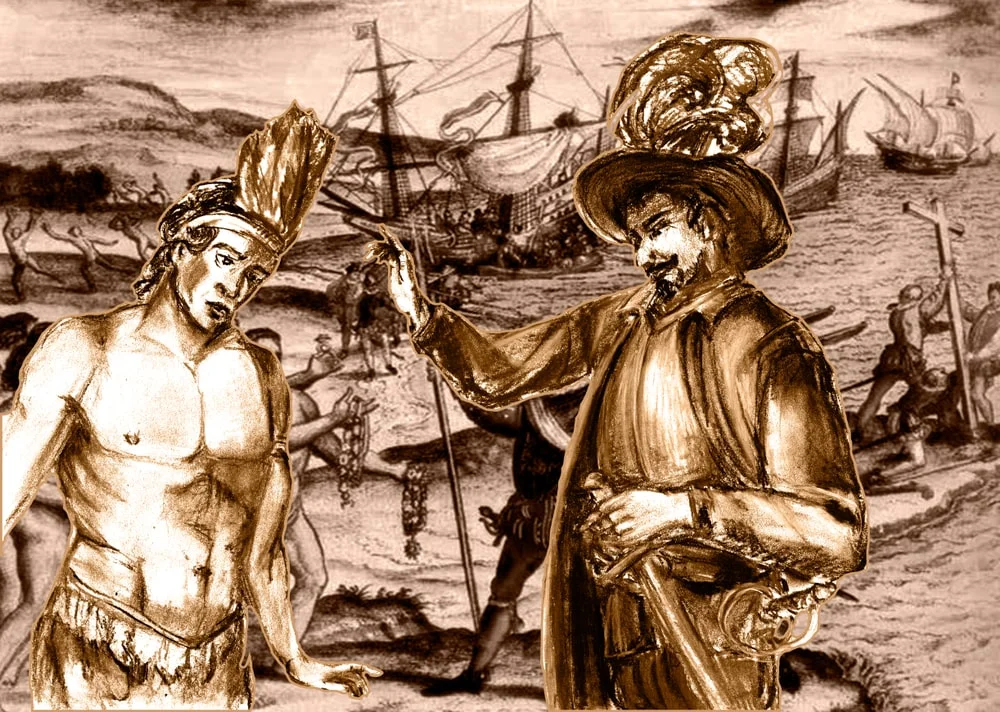
Columbus encountered inhabited lands. The Taíno had organized political and spiritual lives, agricultural knowledge, skilled navigation, and artistic traditions. The Library of Congress describes complex social systems and expressive cultural objects. Calling the Americas a “discovery” without explaining whose perspective that word represents places the European arrival at the center and pushes the people already living there to the margins.Source: Library of Congress: Columbus and the Taíno.
That is why teaching this history should begin before the ships. Children deserve to understand that Indigenous Caribbean people had homes, communities, knowledge, and relationships with the land. Their lives were not a preface to somebody else’s story.
The encounter became conquest
European arrival brought catastrophic consequences. Disease, enslavement, forced labor, violence, and suppression of cultural and religious practices devastated Indigenous communities. Puerto Rico’s colonization developed over time: the Library of Congress identifies Caparra’s establishment in 1508 and describes the coercive encomienda labor system that followed.Sources: Smithsonian National Museum of the American Indian: Taíno guide · Library of Congress: language and colonization timeline.
The familiar phrase “an encounter of two worlds” can describe contact, but it cannot carry the whole explanation. Those worlds did not meet with equal power or equal freedom. Cultural exchange occurred within a system of domination. Honoring the culture that emerged does not require celebrating the suffering through which people were forced to live.
Taíno heritage in Puerto Rico: a story of survival
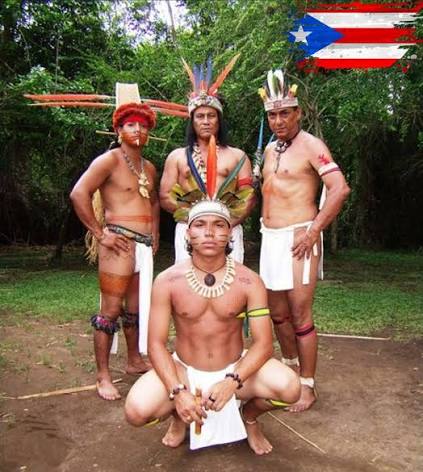
Many people were taught that the Taíno became extinct. Smithsonian research and exhibitions challenge that blanket claim, documenting Indigenous legacies and contemporary people who affirm Taíno ancestry and identity. Colonization caused immense loss, but surviving people carried knowledge forward through families and communities.Sources: Smithsonian: Native Heritage and Identity in the Caribbean · Caribbean Indigenous Legacies Project.
The Smithsonian identifies farming, healing, weaving, and pottery among traditions carried through the colonial period. Language offers another visible connection: words such as hamaca, canoa, and huracán passed from Arawak languages into Spanish and then English.Source: Smithsonian Taíno gallery guide.
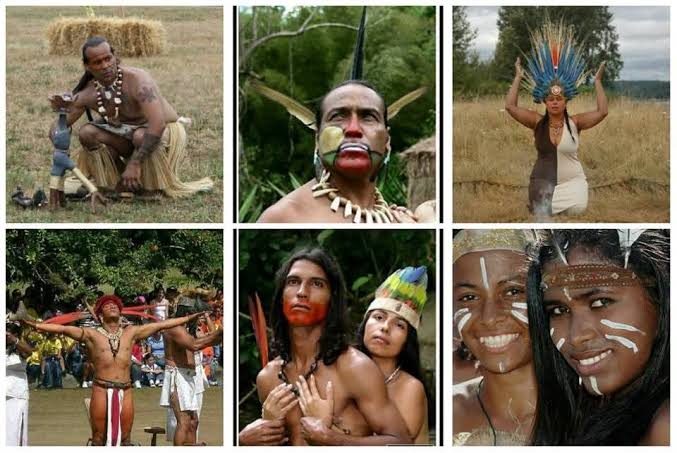
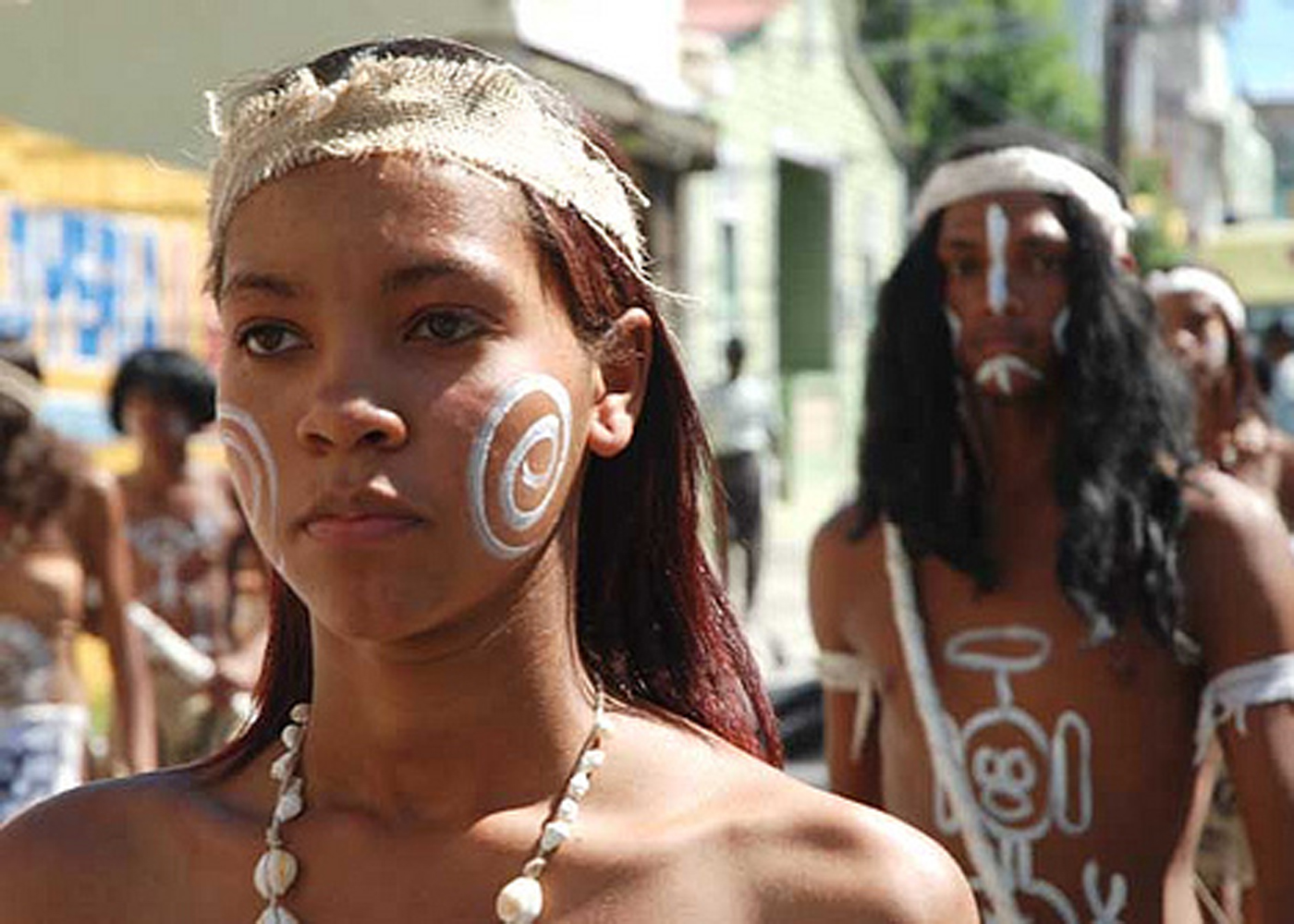
Survival and revival deserve to be discussed together. Traditions can change, be interrupted, or be deliberately recovered. Recognizing living Taíno identity does not mean claiming every present-day practice is an unchanged copy of life before 1492. Nor should a photograph, skin tone, surname, or DNA percentage be treated as proof of a person’s community membership. Listening to people explain their own histories is a better starting point.
African heritage and Afro-Boricua identity
Puerto Rican history also includes the forced transportation of enslaved Africans and the lives, resistance, and creativity of their descendants. Slavery in Puerto Rico was abolished in 1873. Smithsonian collections emphasize Black Puerto Ricans’ place in that history and describe bomba as music and dance with African and Caribbean roots, offering space for resistance and renewal.Source: Smithsonian: ¡Presente! A Latino History of the United States.
When we teach the familiar idea of Taíno, African, and Spanish roots, we should avoid turning people into three equal ingredients in a recipe. Those histories involved unequal power, coercion, survival, and choices made across generations. The formula can introduce a conversation; it should not close it.
Afro-Boricua identity deserves recognition throughout the year. A celebration of Puerto Rican unity has more meaning when it welcomes Black Puerto Ricans fully and makes room to discuss racism and colorism. Shared pride should help us listen to different experiences within our own community.
What Día de la Raza means for Cleveland’s Puerto Rican community
Our local story is part of Puerto Rican history, too. Case Western Reserve University’s Encyclopedia of Cleveland History traces a major period of migration to northern Ohio between 1945 and 1965. Puerto Rican workers were recruited for factories in Lorain and greenhouses in the region; many later settled in Cleveland and brought relatives and friends. The encyclopedia also documents movement from early East Side neighborhoods toward the Near West Side beginning in the late 1950s.Source: Encyclopedia of Cleveland History: Hispanic Community. This source describes historical settlement patterns, not a current population count.
For families here, heritage is carried in everyday acts: the stories an elder chooses to share, the food somebody teaches a younger relative to prepare, the music that starts a conversation, and the language a child hears at home. A Cleveland address does not make those connections less meaningful.
October 12 offers an opportunity to connect island history with diaspora history. Ask who first brought your family to Ohio. Ask what work they found, what they missed, and what they built. Record those answers with permission. Family memories are valuable testimony, and comparing them with historical records can deepen what we know.
A few milestones to remember
How to observe Día de la Raza with your family
Start with an honest family conversation. Explain why Columbus’s arrival matters, then ask what changes when the story begins with the people who were already here. Read Indigenous history alongside the history of slavery and Black Puerto Rican life. Let children see that pride and difficult questions can belong in the same conversation.
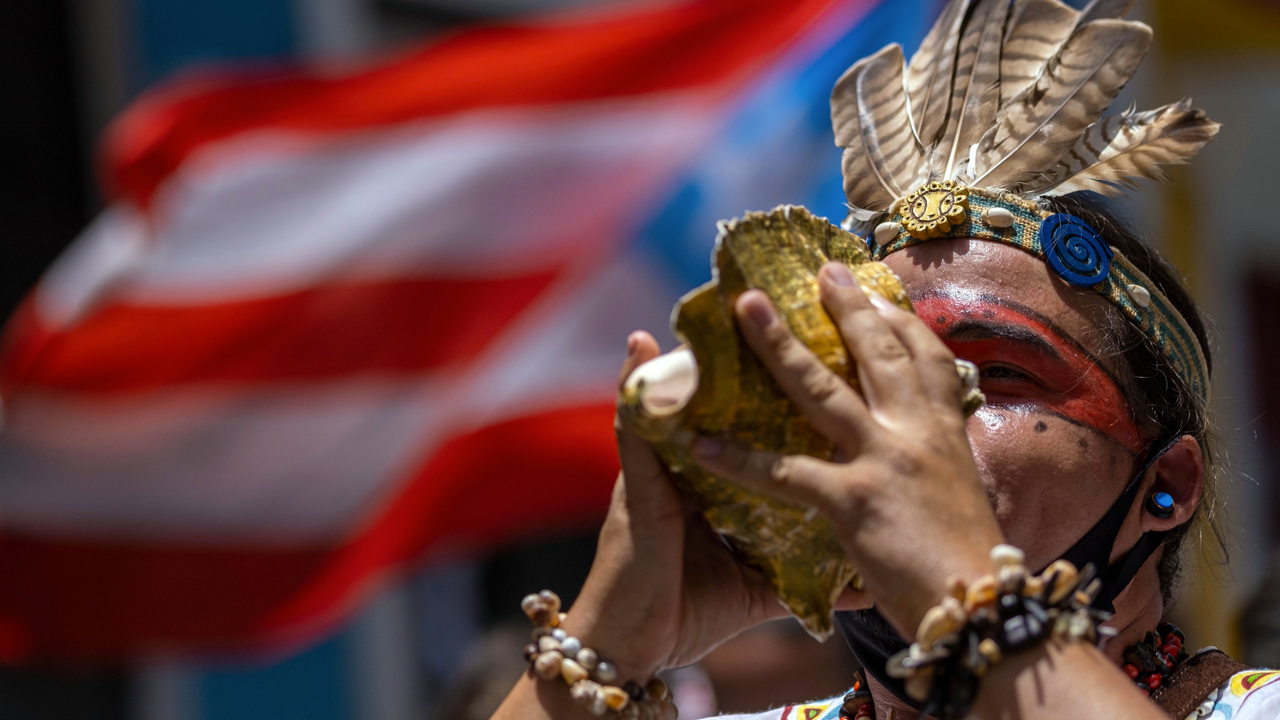
Make learning active: explore the Smithsonian’s Taíno resources, learn about bomba’s history, or spend time with a family photograph and the person who can explain it. When sharing images of Indigenous cultural expression, seek the photographer’s credit and the participants’ own descriptions rather than assigning an identity from appearance.
For Cleveland Boricuas, this day can become a commitment to remember more carefully. We can celebrate the people who sustained our culture while naming the forces that threatened it. We can welcome different ways of being Puerto Rican while refusing to erase any part of the story.
Siempre Boricua can mean pride with responsibility: to learn our history, to hear one another, and to give the next generation a fuller understanding of where we come from—on the island, in Cleveland, and wherever our families make a home.
Sources & further reading
Historical claims are linked throughout the article. Reflections and suggested activities express this essay’s editorial perspective; they do not presume that all Puerto Ricans share one view.
- Puerto Rico Department of Education: official 2026–2027 holiday calendar
- Library of Congress: Today in History—October 12
- Library of Congress: Columbus and the Taíno
- Library of Congress: Yo Soy—language and identity in Puerto Rico
- Smithsonian National Museum of the American Indian: Taíno gallery guide
- Smithsonian: Taíno—Native Heritage and Identity in the Caribbean
- Smithsonian: Caribbean Indigenous Legacies Project
- Smithsonian: ¡Presente!—Black Puerto Rican history and bomba
- Case Western Reserve University: Hispanic Community
- Puerto Rico Law 117 of 2022, reproduced by LexJuris
- Argentina’s government: origins of Día de la Raza and the 1913 Unión Ibero-Americana publication
YOU SHAPE THE NEWSROOM
What should Cleveland Boricua cover next?
YOUR CLEVELAND MEMORY
Were you there? Add your voice.
Share a memory, a correction, a family photo, or a lead for the next chapter. Every submission goes to the Cleveland Boricua moderation inbox first.
THE COMMUNITY QUESTION