By Cleveland Boricua News Desk | Crime
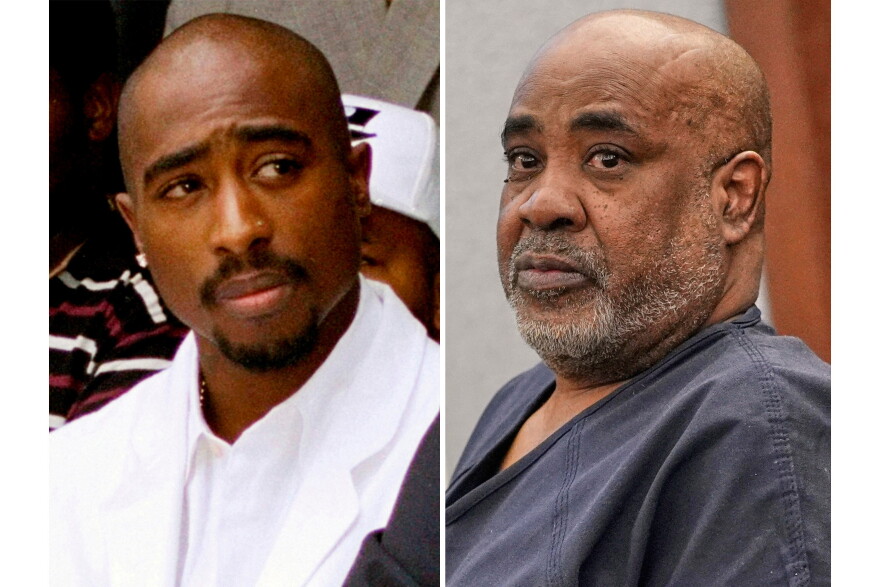
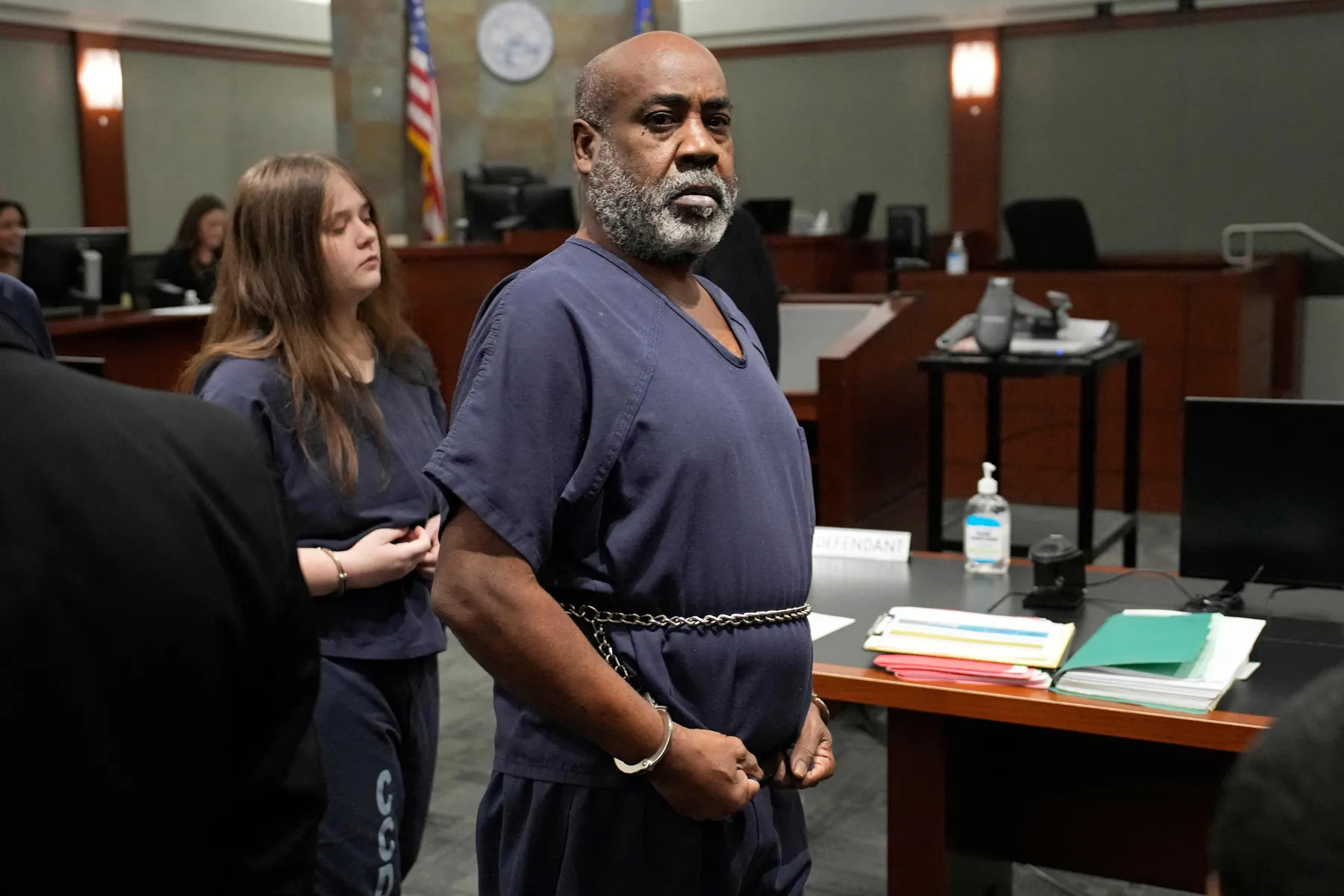
LAS VEGAS — Nearly three decades after Tupac Shakur was fatally shot near the Las Vegas Strip, a jury has delivered the case’s first murder conviction. On Aug. 31, 2026, jurors found Duane “Keffe D” Davis guilty of murder with a deadly weapon for helping organize and arm the retaliatory attack that killed the 25-year-old rapper.
The verdict does not mean jurors found Davis personally pulled the trigger. Under Nevada law, a person who knowingly helps plan or carry out a killing can be convicted as an accomplice. Prosecutors argued that Davis obtained the gun, helped assemble the group inside a white Cadillac and joined the search for Shakur and Death Row Records co-founder Marion “Suge” Knight.
La Fiebre 101.7 FM
 La Fiebre 101.7 FMLa música y la voz de Cleveland.ESCUCHA EN VIVO
THE VERDICT AT A GLANCE
- Defendant: Duane “Keffe D” Davis, 63
- Charge: Murder with a deadly weapon
- Verdict: Guilty on Aug. 31, 2026
- Victim: Tupac Shakur, shot Sept. 7, 1996; died six days later
- Potential punishment: Davis could face life in prison
Who is Duane “Keffe D” Davis?
Davis is a former leader of the South Side Compton Crips who prosecutors described as a “shot caller.” He was also the uncle of Orlando “Baby Lane” Anderson, one of the men attacked by Shakur, Knight and others inside the MGM Grand shortly before the shooting.
Authorities said four men were inside the Cadillac involved in the drive-by: Davis, Anderson, Deandrae “Dre” Smith and driver Terrence “T-Brown” Brown. Davis is the only surviving member of that group. Anderson died in 1998, Smith in 2004 and Brown in 2015.
What happened the night Tupac was shot?
On Sept. 7, 1996, Shakur attended a Mike Tyson fight at the MGM Grand in Las Vegas. After the fight, surveillance video captured Shakur, Knight and members of their group attacking Anderson inside the casino.
Later that night, Shakur was riding in the passenger seat of a black BMW driven by Knight. While the BMW was stopped at a red light near the Las Vegas Strip, a white Cadillac pulled alongside it and gunfire erupted. Shakur was struck multiple times. Knight was wounded but survived. Shakur died on Sept. 13, 1996.
Why did prosecutors say the shooting happened?
Prosecutors presented the killing as retaliation. Their theory was that the MGM Grand beating humiliated and injured Anderson, and that Davis and the men traveling with him then set out to find Shakur and Knight. The state also placed the attack within the long-running rivalry between the South Side Compton Crips and the Mob Piru gang associated with members of the Death Row circle.
According to the prosecution, the Cadillac’s occupants searched for Shakur’s group, made a U-turn after locating the BMW and pulled alongside it before the shooting. That sequence was central to the state’s argument that the attack was planned rather than a spontaneous encounter.
How did a decades-old cold case finally reach a jury?
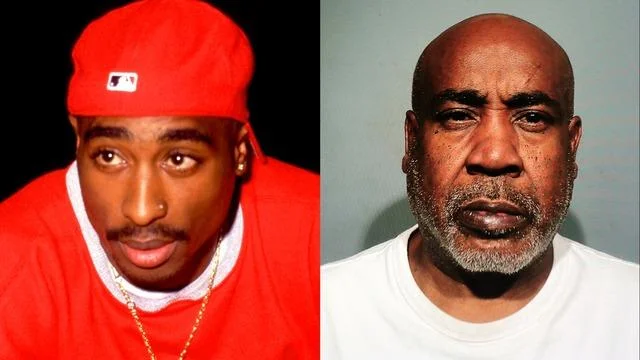
The prosecution’s case leaned heavily on Davis’s own words. Over the years, Davis gave interviews and published a 2019 memoir, Compton Street Legend, in which he placed himself in the Cadillac and described giving a gun to men in the back seat.
A judge allowed prosecutors to use those statements at trial. Davis was arrested in September 2023 after investigators revived the long-dormant case. During nine days of testimony, the state called 24 witnesses; the defense called three. Jurors deliberated for less than three hours before returning the guilty verdict.
What did the defense argue?
Davis pleaded not guilty. His attorneys argued that his stories changed over time, that some statements were embellished to sell books or attract attention and that the state lacked the physical evidence typically expected in a murder prosecution. The murder weapon and Cadillac were never recovered.
The defense also attacked the credibility of witnesses and emphasized the long delay between the 1996 shooting and Davis’s 2023 arrest. The jury ultimately accepted the prosecution’s accomplice theory.
Did the verdict identify the person who fired the gun?
No. Prosecutors did not have to prove Davis was the shooter. Authorities long suspected Anderson, while other testimony has pointed toward Smith. The verdict establishes that the jury found Davis criminally responsible for helping organize and enable the killing; it does not settle every disputed detail about who physically fired the shots.
What happens next?
Davis now awaits sentencing and could face life in prison. The conviction closes one major chapter in one of hip-hop’s most famous unsolved murder cases, but it may not end the debate surrounding the identity of the gunman or the many conflicting accounts that accumulated over 30 years.
Why the Tupac case still matters in Cleveland
For generations of listeners in Cleveland and across the country, Tupac was more than a chart-topping rapper. His music spoke about poverty, violence, loyalty, family, injustice and survival. That connection helps explain why this case still feels personal to fans who were children in 1996—and to younger listeners who discovered his work decades later.
Cleveland Boricua wants to hear from you: Does this verdict finally bring answers, or do you still believe important parts of the story remain unresolved?
Sources and further reading:
- Associated Press: Jury finds Davis guilty in Tupac Shakur killing
- Associated Press: Who is Duane Davis and what happened in 1996?
- Associated Press: Court ruling on Davis’s interviews and memoir
- TMZ: Keffe D found guilty
Editor’s note: This report distinguishes the jury’s verdict from allegations and theories that remain disputed. Davis denied the charge and was presumed innocent until the guilty verdict.
YOU SHAPE THE NEWSROOM
What should Cleveland Boricua cover next?
YOUR CLEVELAND MEMORY
Were you there? Add your voice.
Share a memory, a correction, a family photo, or a lead for the next chapter. Every submission goes to the Cleveland Boricua moderation inbox first.
THE COMMUNITY QUESTION