NEWS ANALYSIS · October 25, 2026
CLEVELAND — When a community gathering place reportedly closes its doors to someone who says he has helped promote the businesses inside, the questions reach beyond one person’s access. They concern how decisions are made, whose voices are heard and whether the community can understand the rules governing a place built around opportunity.
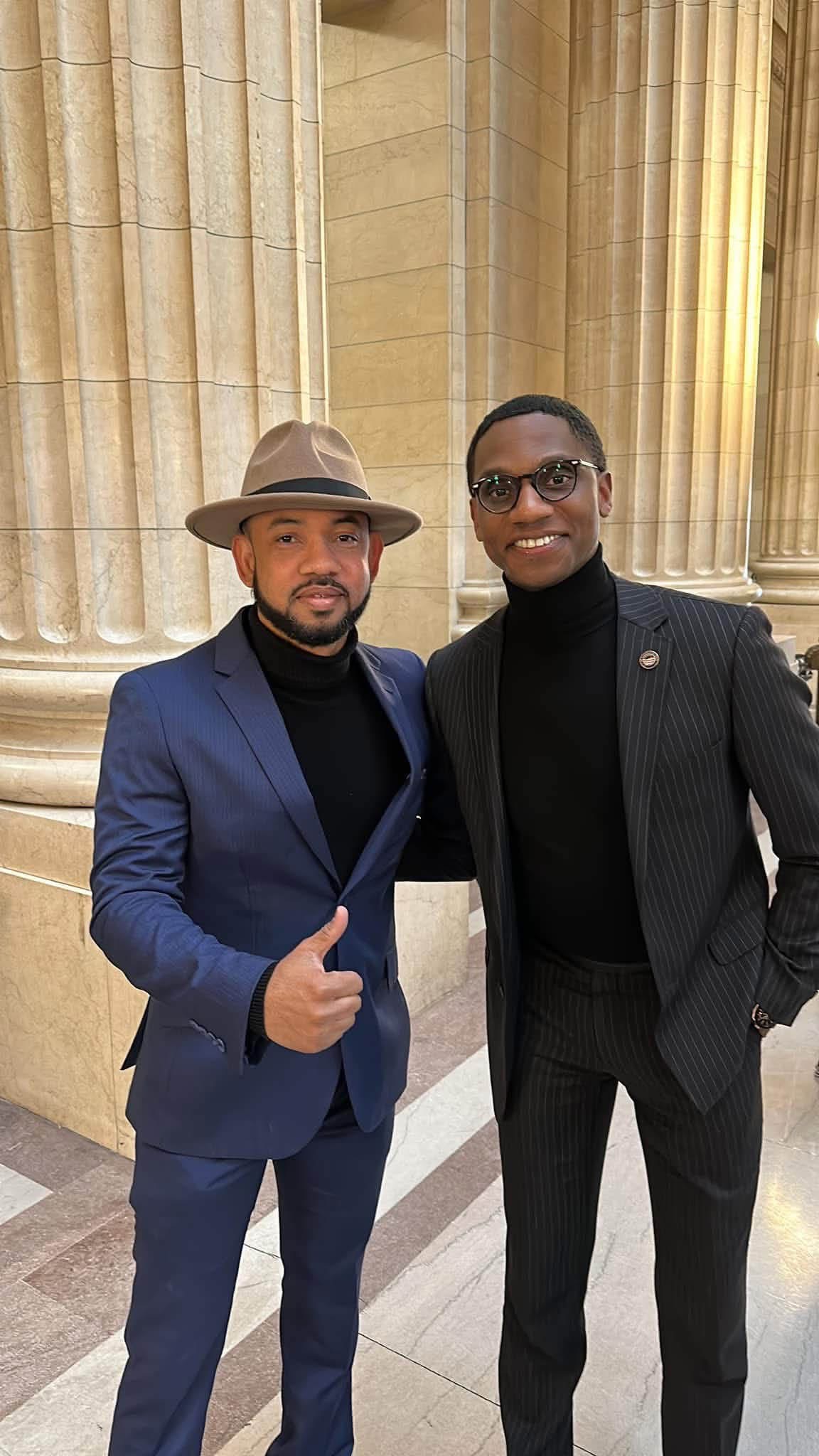
Raul Jimenez, the creator behind Power Cleveland, says he has been banned from entering CentroVilla25. In a public Facebook statement, he alleged selective discrimination and asked for evidence, an explanation and, if warranted, an apology. His statement confirms that he is making those allegations. It does not establish the reason for the restriction or prove that discrimination occurred.
La Fiebre 101.7 FM
 La Fiebre 101.7 FMLa música y la voz de Cleveland.ESCUCHA EN VIVO
What Power Cleveland offers the city
Power Cleveland operates as a local social media platform connecting an audience with places, businesses and activity around Cleveland. Its public Facebook profile identifies the account as a public figure, lists Cleveland as its location and describes a desire to walk through Cleveland and Ohio showing people the community. The profile displayed approximately 20,000 followers when reviewed.
Recent public posts reviewed include a shared update from a local food business, Cleveland sports content and a Cleveland-related video. Those examples support describing the platform as a source of local visibility and discovery. They do not establish a formal role representing the city, every Latino resident or any public agency.
For a small business, visibility can be valuable: an introduction, a video or a shared announcement can put its name in front of people who might otherwise never encounter it. That is the potential community service of a platform such as Power Cleveland—helping residents discover where to eat, shop, gather and spend their money locally. The material reviewed does not measure how many customers or sales Jimenez has generated.
Jimenez says his work has specifically included supporting CentroVilla25’s activities and promoting its small businesses without charge. That account describes him as an informal promoter and community connector. The full extent of that work, its financial terms and any formal partnership with CentroVilla25 have not been independently verified.
Why he says the decision is unfair
Jimenez’s complaint has several parts. He says he has been excluded while others involved in the same matter appear not to have received the same treatment. He says responsibility has been attributed to him for actions he did not commit. He questions why dialogue or mediation did not come first, and he wants to see the evidence and reasoning behind the decision.
His sense of unfairness also rests on the relationship he describes: someone who says he helped bring attention to the market now says he cannot enter it. That perceived contradiction explains his frustration. Promotional support alone, however, does not settle whether a restriction is justified; the conduct at issue and the rules applied still matter.
“I am not asking for special treatment. I am asking for transparency, accountability, and equal treatment.”
The statement does not identify the underlying incident, the other people involved or the person who authorized the restriction. Without those details, it is not possible to evaluate his comparison with others or determine whether the decision was selective, proportionate or discriminatory.
What CentroVilla25 offers the community
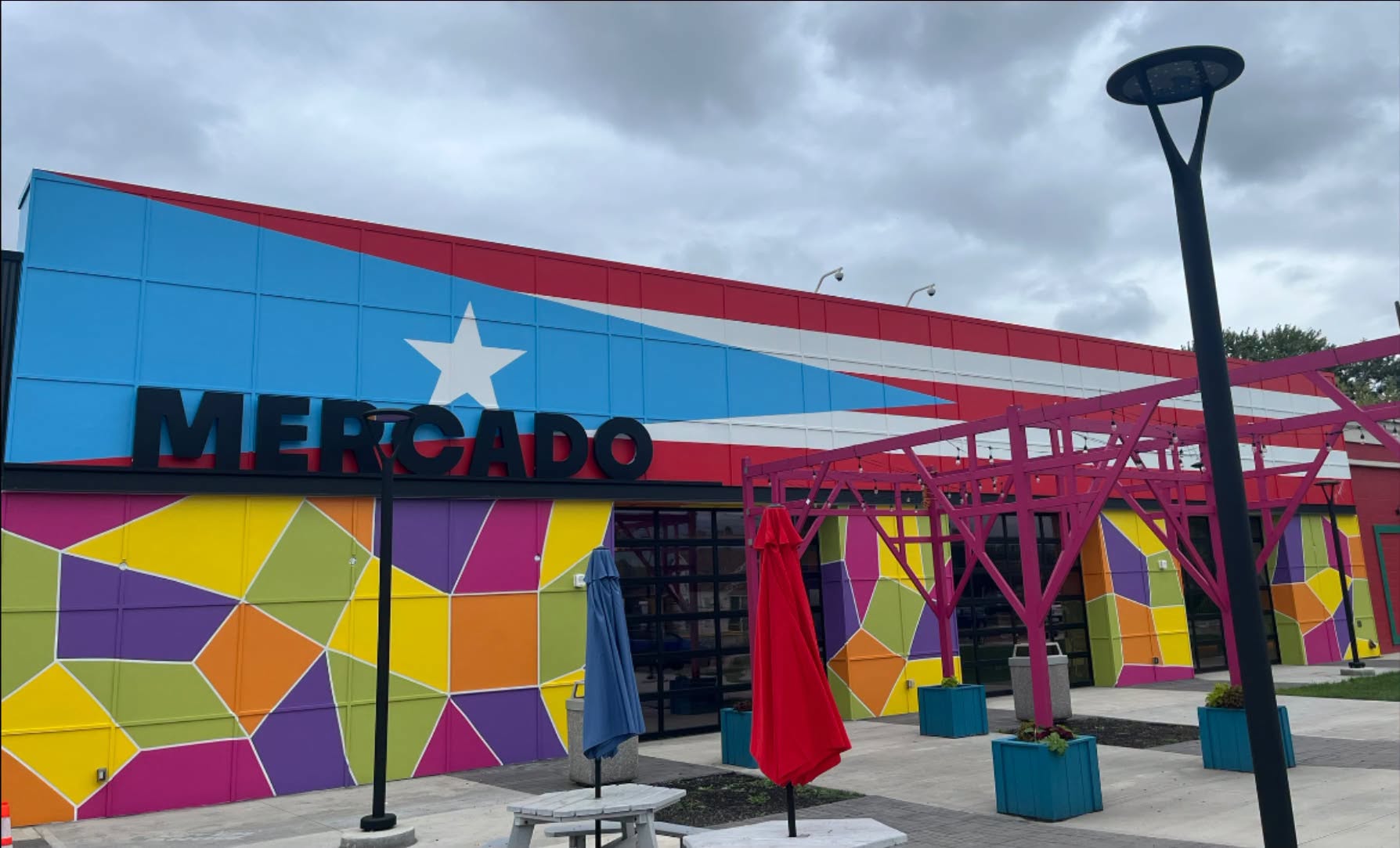
CentroVilla25, at 3140 W. 25th Street in Clark-Fulton, describes itself as a Latino market and food hall. Its offerings include small-business kiosks, a commercial kitchen, cultural programming and space for events and community gatherings. Its stated mission emphasizes community, heritage and opportunity.
That combination serves several needs: entrepreneurs can sell products, food businesses can access kitchen space, and residents can gather around Latino culture. Its mission page also emphasizes support for minority-owned businesses and neighborhood development. These are substantial commitments to a community’s economic and cultural life.
Independent reporting by the Plain Press in March 2026 described affordable business space, technical assistance and entrepreneurial resources at the site. The report identified the Northeast Ohio Hispanic Center for Economic Development, also known as the Hispanic Business Center, as the building’s owner.
CentroVilla25 and Power Cleveland therefore occupy potentially complementary roles. One offers a physical place for commerce and community activity; the other offers a channel through which people can discover local places. That overlap helps explain the public interest in this dispute. It does not establish a contractual partnership or an obligation to allow unrestricted access.
A Cleveland investment, built over decades
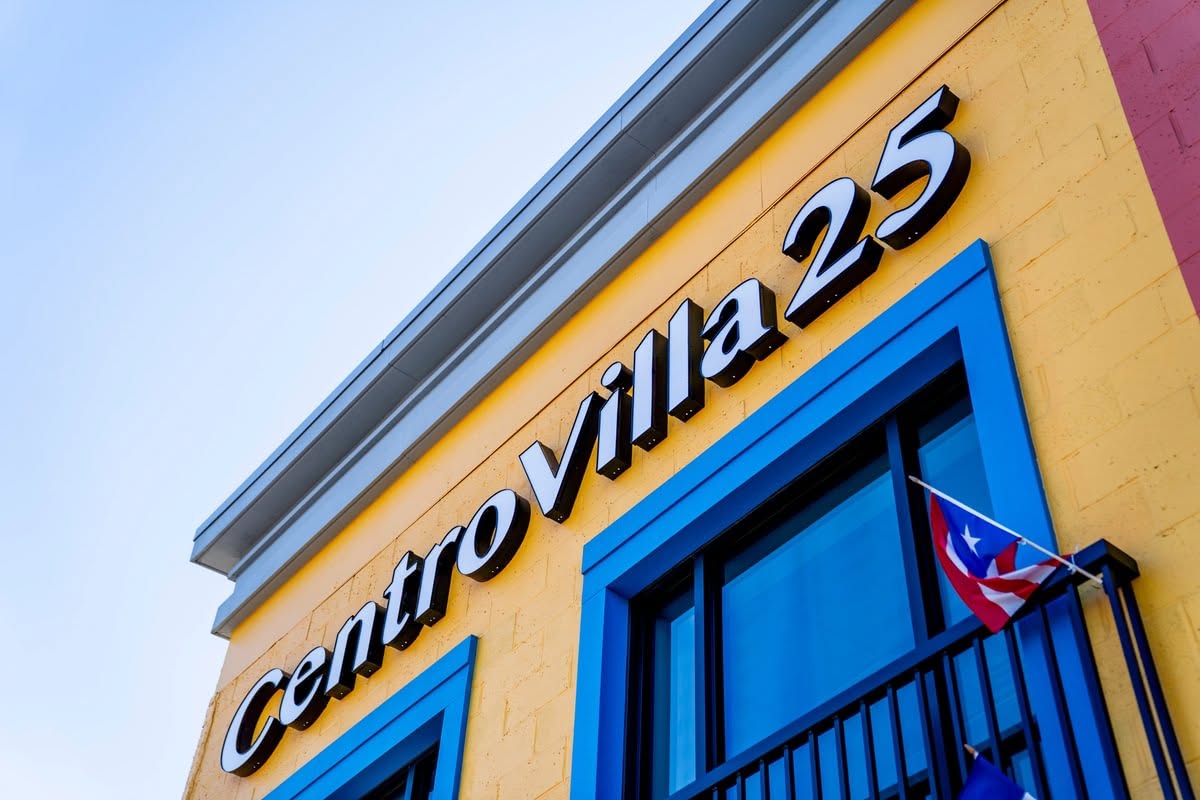
CentroVilla25’s importance cannot be understood solely through a disagreement on Facebook. The marketplace emerged from years of organizing around a broader ambition: creating a lasting center of Latino business and cultural life in Clark-Fulton. Its official grand-opening celebration took place on May 30, 2025. Cleveland 19’s coverage described a project whose vision stretched back decades and whose supporters included community leaders, philanthropic organizations and public officials. Source: Cleveland 19.
The public investment is documented. In a May 25, 2023 announcement, Cleveland City Council said it had approved $1.5 million in revenue recovery funds for the development. The same announcement identified $1 million in American Rescue Plan Act funding from Cuyahoga County, alongside corporate support, foundation grants and development tax credits. These figures describe support announced for the project; they are not an audit of its final construction costs or current finances. Source: Cleveland City Council.
The council announcement connected that support to neighborhood needs: helping Latino-owned businesses build wealth, improving access to culturally significant food and creating a place for arts and community life. That purpose makes the project a matter of interest beyond its management and tenants. Cleveland residents have reason to care whether the institution earns and maintains the confidence of the people it was intended to serve. Source: Cleveland City Council.
Public support does not, by itself, establish a right to unrestricted entry or determine the legality of an individual ban. It does provide a concrete reason for public scrutiny of governance, mission and accountability. Asking how a consequential decision was made is consistent with taking the community’s investment seriously.
The entrepreneurs inside are part of this story
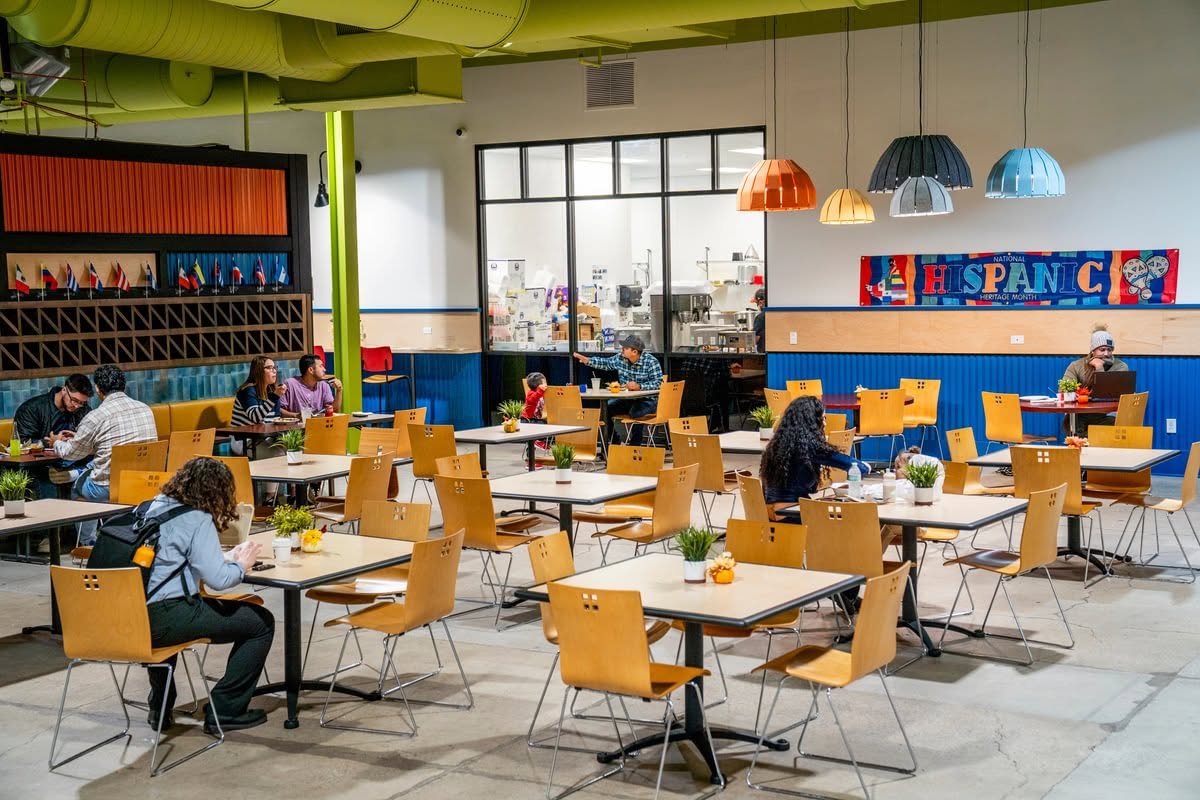
The people with the most at stake may include business owners who are not parties to the dispute. In an April 2026 report, Signal Cleveland described vendors working through an uneven first year, with quiet weekdays, evolving business plans and hopes that additional activity would draw more visitors. Its reporting also described business training, support from JumpStart and the importance of repeat customers and catering opportunities. Source: Signal Cleveland.
That reporting offers evidence of both CentroVilla25’s value and the challenges its entrepreneurs face. The market provides an entry point for business ownership; filling the space with customers is an ongoing task. A successful community marketplace requires more than a renovated building. It needs people who return, recommend a meal, bring a friend and tell others what they found.
This is where the interests of vendors, management and local promoters can meet. Visibility can help a new venture find customers. A well-run venue can give a creator worthwhile stories to share. When that relationship breaks down, the question is whether the dispute can be resolved without damaging those wider connections. No sales records or vendor interviews obtained for this article establish that Jimenez’s reported exclusion has caused a financial loss.
Signal Cleveland’s account predates the current allegation. It should not be read as evidence that vendors support Jimenez, oppose management or have taken a position on the reported ban. It is context for understanding why foot traffic, collaboration and confidence in the market matter.
Visibility is a contribution, and accountability goes both ways
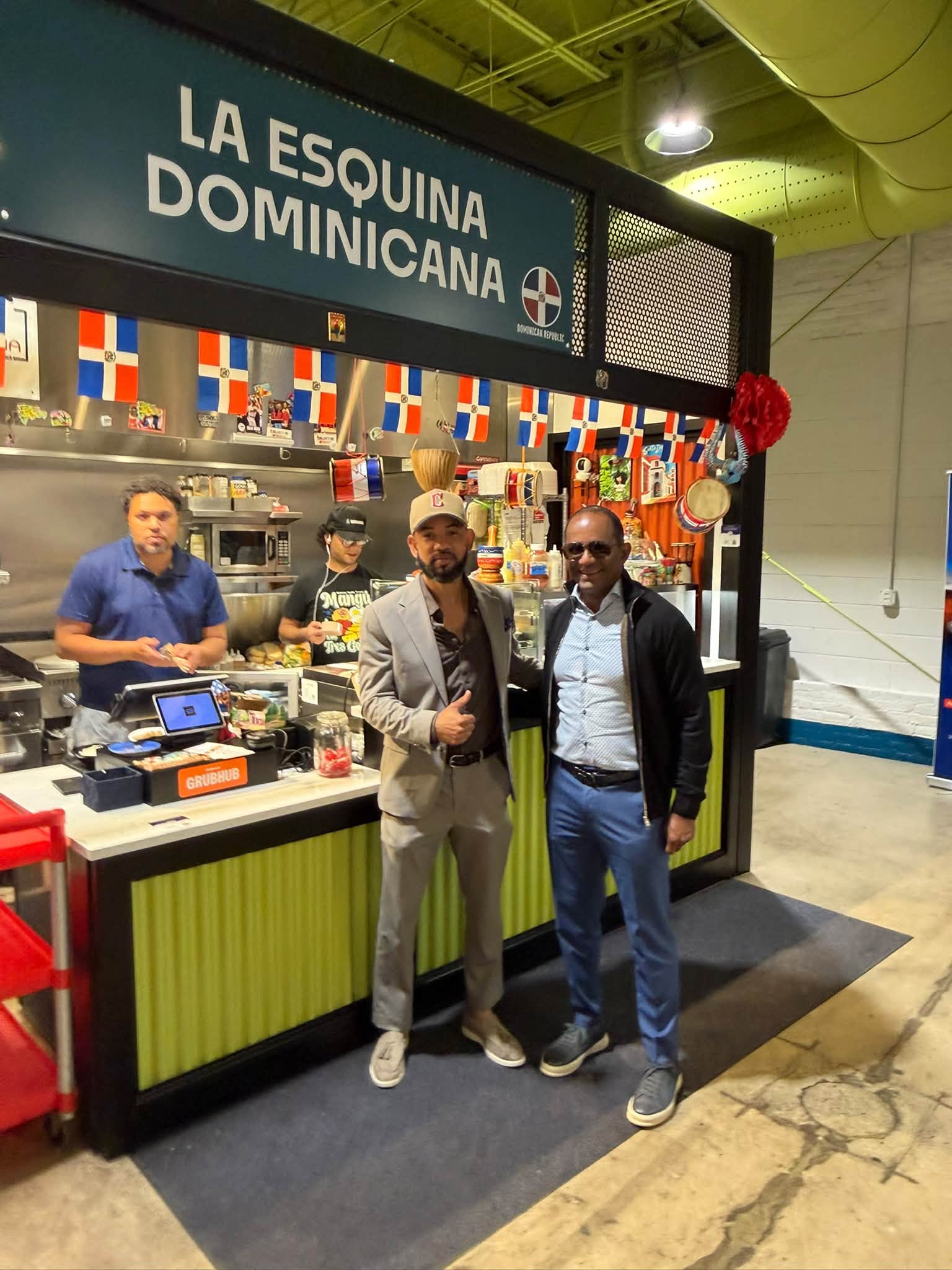
Community promotion often happens outside official institutions. A person with a camera and an audience can introduce a neighborhood business to people who do not follow a development agency’s announcements. Content in a community’s language can make a place feel familiar and approachable. Those are useful functions even when the person doing them holds no elected office or formal leadership title.
That is the role Jimenez describes for himself. It warrants being understood on its own terms rather than dismissed as merely posting online. At the same time, the value of that work does not exempt a creator from reasonable standards of conduct. A fair assessment needs to examine what he contributed and what, specifically, is alleged to have happened. Neither can substitute for the other.
Jimenez’s statement refers to other people involved in the same matter, but it leaves readers without the details needed to compare their situations. Were their actions the same? Were different rules applied? Were the circumstances materially different? Those questions are necessary to test his central claim of unequal treatment. Their absence is a gap in the evidence, not proof for either side.
A fair process can protect the community and the institution
There are practical ways an institution can demonstrate fairness without turning a dispute into a public spectacle. It can communicate the conduct at issue to the affected person, identify the relevant policy, explain the scope of a restriction and provide a route for review where appropriate. These are standards this analysis proposes; the reporting has not established whether CentroVilla25 already follows them.
A meaningful explanation would distinguish a restriction based on conduct from one based on a personal disagreement. It would also help clarify whether the decision concerns access to the entire property, participation in a particular event or some narrower activity. Those distinctions matter to the affected person and to anyone trying to understand the public allegation.
Management may have information it cannot appropriately make public. If that is the case, it can still consider what can be explained about its process without identifying or exposing other people. A refusal to release private details should not automatically be treated as evidence of wrongdoing. Equally, confidentiality should not become an assumption that prevents a reporter from asking how a decision can be challenged.
The standard should be consistent: hear the complaint, test it against evidence, seek the institution’s account and explain what remains unresolved. That approach offers a better chance of protecting people and restoring working relationships than deciding the entire matter through competing declarations.
How an unexplained exclusion could affect more than one person
The concern is not that every restriction necessarily harms the community. A gathering place must consider the safety and well-being of vendors, visitors and staff. The concern is what happens when people cannot understand whether an exclusion follows a clear rule, a substantiated incident or a disagreement with leadership. The available evidence does not establish which circumstances apply here.
If an exclusion is arbitrary or inconsistently applied, its effects could extend beyond the person excluded. Vendors could lose a promotional connection. Other creators could become reluctant to cover the venue. Residents could wonder whether raising a complaint might affect their welcome. Community organizations could hesitate to collaborate if they cannot understand how disputes are handled.
Those are possible consequences, not documented outcomes of Jimenez’s case. There is no verified evidence in the material reviewed of lost sales, canceled partnerships or a broader campaign to exclude critics. They are reasons to seek answers before uncertainty becomes a lasting source of distrust.
The same care applies to CentroVilla25’s vendors. The small businesses operating inside should not automatically be held responsible for a management decision they may have had no role in making. Turning a dispute with leadership into blanket hostility toward those entrepreneurs could hurt the very people both sides say they want to support.
Could someone else be next?
There is no evidence in the reviewed material that CentroVilla25 plans to exclude other individuals, organizations or entities. Predicting a next target would go beyond the reporting. The legitimate question is whether there is an access policy that applies consistently to everyone, including promoters, vendors, partners and critics.
Who can impose a restriction? What conduct can trigger it? Is the person told what they are alleged to have done? Does the restriction have a defined scope and duration? Can a decision be reviewed? Are comparable situations handled alike? Answers would help the community assess this case and understand how a future disagreement might be handled.
Whether this particular restriction is legally permissible cannot be determined from a Facebook statement. The notice, circumstances and applicable rules have not been established. A community-serving mission does not, by itself, resolve that legal question. The question of public trust remains important regardless.
What it means to be a community center
For a place that presents itself as a hub of Latino community life, welcoming language creates expectations about how people will be treated when relationships become difficult. A community mission is tested through conflict as well as celebration: through consistent standards, a meaningful opportunity to respond and an explanation of decisions when disclosure is appropriate.
That does not require management to disclose confidential information about other people or disregard a substantiated safety concern. It does invite leadership to explain its process, address an affected person directly and distinguish disagreement from conduct that warrants exclusion.
If Jimenez’s account is substantiated and no fair explanation exists, the decision could weaken confidence in CentroVilla25’s promise of connection and opportunity. If important facts are missing from his account, those facts could materially change the story. Responsible scrutiny must leave room for both possibilities.
The answers still needed
No written restriction notice was supplied for this article. The date, grounds, decision-maker, duration and review process remain unverified. CentroVilla25’s response is not included in the material reviewed, and ClevelandBoricua.com has not contacted the organization as part of preparing this article. Its account is essential to completing the reporting.
The concern for what comes next is therefore specific: whether an unresolved dispute will be met with a fair explanation or allowed to deepen uncertainty. A place built to connect a community has much to gain from showing how it handles conflict. Jimenez has publicly asked for answers. The community deserves reporting that tests his claims, hears CentroVilla25’s account and keeps the interests of local businesses and residents at the center.
Sources and further reading
- Power Cleveland — public statement
- Power Cleveland — public profile
- CentroVilla25 — official website
- CentroVilla25 — address
- CentroVilla25 — mission and leadership
- Plain Press — first anniversary reporting, March 2, 2026
- Cleveland City Council — project funding, May 25, 2023
- Signal Cleveland — vendors’ first year, April 27, 2026
- Cleveland 19 — grand opening, May 30, 2025
- CentroVilla25 — official grand-opening event
ANÁLISIS NOTICIOSO · 25 de octubre de 2026
Raul Jimenez, de Power Cleveland, pregunta por qué se le prohibió entrar a CentroVilla25
CLEVELAND — Cuando un espacio comunitario supuestamente cierra sus puertas a alguien que afirma haber promovido los negocios que funcionan allí, las preguntas van más allá del acceso de una sola persona. También tienen que ver con cómo se toman las decisiones, qué voces se escuchan y si la comunidad puede entender las reglas de un lugar creado en torno a las oportunidades.
Raul Jimenez, creador de Power Cleveland, dice que se le ha prohibido entrar a CentroVilla25. En una declaración pública en Facebook, denunció lo que considera discriminación selectiva y pidió pruebas, una explicación y, si corresponde, una disculpa. Su declaración confirma que está haciendo esas alegaciones. No establece el motivo de la prohibición ni demuestra que haya ocurrido discriminación.
Lo que Power Cleveland ofrece a la ciudad
Power Cleveland es una plataforma de redes sociales que conecta a su audiencia con lugares, negocios y actividades de Cleveland. Su perfil público de Facebook se identifica como figura pública, señala Cleveland como su ubicación y expresa el deseo de recorrer Cleveland y Ohio para mostrar la comunidad. El perfil mostraba aproximadamente 20,000 seguidores al momento de la revisión.
Entre las publicaciones públicas recientes revisadas figuran una actualización compartida de un negocio local de comida, contenido deportivo de Cleveland y un video relacionado con la ciudad. Estos ejemplos permiten describir la plataforma como una fuente de visibilidad y descubrimiento local. No establecen que tenga un cargo oficial representando a la ciudad, a todos los residentes latinos o a una agencia pública.
Para un pequeño negocio, la visibilidad puede ser valiosa: una presentación, un video o un anuncio compartido pueden darlo a conocer a personas que de otro modo nunca lo encontrarían. Ese es el posible servicio comunitario de una plataforma como Power Cleveland: ayudar a los residentes a descubrir dónde comer, comprar, reunirse y gastar su dinero localmente. El material revisado no permite medir cuántos clientes o ventas ha generado Jimenez.
Jimenez dice que su trabajo ha incluido apoyar las actividades de CentroVilla25 y promover sus pequeños negocios gratuitamente. Su relato lo presenta como un promotor informal y un enlace comunitario. No se han verificado de manera independiente el alcance completo de ese trabajo, sus condiciones económicas ni la existencia de una asociación formal con CentroVilla25.
Por qué considera injusta la decisión
La queja de Jimenez tiene varias partes. Dice que ha sido excluido mientras otras personas involucradas en el mismo asunto aparentemente no han recibido el mismo trato. Afirma que se le ha atribuido responsabilidad por acciones que no cometió. Cuestiona por qué no hubo diálogo o mediación primero y quiere conocer las pruebas y el razonamiento detrás de la decisión.
Su percepción de injusticia también parte de la relación que describe: alguien que dice haber ayudado a atraer atención al mercado ahora afirma que no puede entrar. Esa aparente contradicción explica su frustración. Sin embargo, haber brindado promoción no determina por sí solo si una restricción está justificada; también importan la conducta en cuestión y las reglas aplicadas.
«No estoy pidiendo un trato especial. Estoy pidiendo transparencia, rendición de cuentas e igualdad de trato». — Traducción de su declaración en inglés.
La declaración no identifica el incidente que originó el conflicto, a las otras personas involucradas ni a quien autorizó la restricción. Sin esos detalles, no es posible evaluar la comparación con otras personas ni determinar si la decisión fue selectiva, proporcional o discriminatoria.
Lo que CentroVilla25 ofrece a la comunidad
CentroVilla25, ubicado en 3140 W. 25th Street, en Clark-Fulton, se describe como un mercado latino y centro gastronómico. Ofrece quioscos para pequeños negocios, una cocina comercial, programación cultural y espacios para eventos y reuniones comunitarias. Su misión declarada destaca la comunidad, el patrimonio cultural y las oportunidades.
Esta combinación atiende distintas necesidades: los emprendedores pueden vender productos, los negocios de comida pueden acceder a una cocina y los residentes pueden reunirse alrededor de la cultura latina. Su página sobre la misión también destaca el apoyo a negocios de propietarios de minorías y al desarrollo del vecindario. Son compromisos importantes con la vida económica y cultural de una comunidad.
Un reportaje independiente de Plain Press de marzo de 2026 describió espacios comerciales asequibles, asistencia técnica y recursos para emprendedores. El reportaje identificó al Northeast Ohio Hispanic Center for Economic Development, también conocido como Hispanic Business Center, como propietario del edificio.
Por lo tanto, CentroVilla25 y Power Cleveland desempeñan funciones potencialmente complementarias. Uno ofrece un espacio físico para el comercio y las actividades comunitarias; el otro ofrece un canal para descubrir lugares locales. Esa coincidencia ayuda a explicar el interés público en la controversia. No establece una asociación contractual ni una obligación de permitir acceso sin restricciones.
Una inversión de Cleveland construida durante décadas
La importancia de CentroVilla25 no puede entenderse únicamente a través de un desacuerdo en Facebook. El mercado surgió tras años de organización alrededor de una aspiración mayor: crear un centro duradero de negocios y cultura latina en Clark-Fulton. Su celebración oficial de inauguración se realizó el 30 de mayo de 2025. La cobertura de Cleveland 19 describió un proyecto con una visión de varias décadas y el respaldo de líderes comunitarios, organizaciones filantrópicas y funcionarios públicos. Fuente: Cleveland 19.
La inversión pública está documentada. En un anuncio del 25 de mayo de 2023, el Concejo Municipal de Cleveland informó que había aprobado $1.5 millones en fondos de recuperación de ingresos para el desarrollo. El mismo anuncio identificó $1 millón del condado de Cuyahoga, proveniente de la Ley del Plan de Rescate Estadounidense, además de aportaciones empresariales, subvenciones de fundaciones y créditos fiscales para el desarrollo. Estas cifras describen apoyo anunciado para el proyecto; no constituyen una auditoría de sus costos finales de construcción ni de sus finanzas actuales. Fuente: Concejo Municipal de Cleveland.
El anuncio municipal vinculó ese apoyo con las necesidades del vecindario: ayudar a los negocios latinos a generar patrimonio, mejorar el acceso a alimentos culturalmente significativos y crear un espacio para el arte y la vida comunitaria. Ese propósito hace que el proyecto sea de interés más allá de su administración y sus inquilinos. Los residentes tienen motivos para interesarse en si la institución obtiene y mantiene la confianza de las personas a las que pretende servir. Fuente: Concejo Municipal.
El apoyo público no establece por sí solo un derecho a entrar sin restricciones ni determina la legalidad de una prohibición individual. Sí ofrece una razón concreta para examinar públicamente la gestión, la misión y la rendición de cuentas. Preguntar cómo se tomó una decisión importante es coherente con tomar en serio la inversión comunitaria.
Los emprendedores también son parte de esta historia
Entre quienes más podrían tener en juego figuran comerciantes que no son parte del conflicto. En un reportaje de abril de 2026, Signal Cleveland describió a vendedores que atravesaban un primer año desigual, con días de semana tranquilos, planes de negocio en evolución y esperanzas de atraer más visitantes con nuevas actividades. También describió capacitación empresarial, apoyo de JumpStart y la importancia de los clientes habituales y los servicios de comida para eventos. Fuente: Signal Cleveland.
Ese reportaje ofrece evidencia tanto del valor de CentroVilla25 como de los retos de sus emprendedores. El mercado brinda una oportunidad para comenzar un negocio; atraer clientes sigue siendo una tarea constante. Un mercado comunitario exitoso necesita más que un edificio renovado. Necesita personas que regresen, recomienden una comida, lleven a un amigo y cuenten lo que encontraron.
Aquí pueden coincidir los intereses de los vendedores, la administración y los promotores locales. La visibilidad puede ayudar a un nuevo negocio a encontrar clientes. Un espacio bien administrado puede ofrecer historias valiosas para un creador. Cuando esa relación se rompe, la pregunta es si el conflicto puede resolverse sin perjudicar esos vínculos más amplios. No se han obtenido registros de ventas ni entrevistas con vendedores que establezcan una pérdida económica causada por la exclusión que denuncia Jimenez.
El reportaje de Signal Cleveland es anterior a la alegación actual. No debe interpretarse como prueba de que los vendedores apoyan a Jimenez, se oponen a la administración o han tomado una posición sobre la prohibición denunciada. Es contexto para entender por qué importan la afluencia de visitantes, la colaboración y la confianza en el mercado.
La visibilidad es una aportación y la responsabilidad es mutua
La promoción comunitaria suele ocurrir fuera de las instituciones oficiales. Una persona con una cámara y una audiencia puede presentar un negocio del vecindario a quienes no siguen los anuncios de una agencia de desarrollo. El contenido en el idioma de una comunidad puede hacer que un lugar resulte cercano y accesible. Son funciones útiles incluso cuando quien las realiza no ocupa un cargo electo ni un puesto formal de liderazgo.
Ese es el papel que Jimenez describe para sí mismo. Merece entenderse en sus propios términos, en lugar de reducirlo a simplemente publicar en internet. Al mismo tiempo, el valor de ese trabajo no exime a un creador de cumplir normas razonables de conducta. Una evaluación justa necesita examinar tanto su aportación como lo que, específicamente, se alega que ocurrió. Una cosa no sustituye a la otra.
La declaración de Jimenez menciona a otras personas involucradas en el mismo asunto, pero no ofrece los detalles necesarios para comparar sus situaciones. ¿Fueron iguales sus acciones? ¿Se aplicaron reglas diferentes? ¿Eran sustancialmente distintas las circunstancias? Son preguntas necesarias para evaluar su alegación central de trato desigual. Su ausencia representa una falta de evidencia, no una prueba a favor de ninguna parte.
Un proceso justo puede proteger a la comunidad y a la institución
Hay maneras prácticas de demostrar imparcialidad sin convertir un conflicto en un espectáculo público. Una institución puede comunicar a la persona afectada la conducta en cuestión, identificar la política pertinente, explicar el alcance de una restricción y ofrecer una vía de revisión cuando corresponda. Son criterios que propone este análisis; el reportaje no ha establecido si CentroVilla25 ya los aplica.
Una explicación sustantiva distinguiría una restricción basada en la conducta de una basada en un desacuerdo personal. También aclararía si la decisión afecta el acceso a toda la propiedad, la participación en un evento específico o alguna actividad más limitada. Estas diferencias importan tanto a la persona afectada como a quienes intentan comprender la denuncia pública.
La administración podría tener información que no sea apropiado divulgar. En ese caso, todavía puede considerar qué aspectos de su proceso puede explicar sin identificar ni exponer a otras personas. Negarse a divulgar detalles privados no debe interpretarse automáticamente como prueba de una conducta indebida. De igual manera, la confidencialidad no debe darse por sentada para impedir preguntas sobre cómo se puede solicitar una revisión de la decisión.
El criterio debe ser consistente: escuchar la queja, contrastarla con las pruebas, buscar la versión de la institución y explicar lo que sigue sin resolverse. Ese enfoque ofrece más posibilidades de proteger a las personas y restablecer relaciones de trabajo que resolver todo mediante declaraciones enfrentadas.
Cómo una exclusión sin explicación podría afectar a más personas
La preocupación no es que toda restricción necesariamente perjudique a la comunidad. Un lugar de reunión debe considerar la seguridad y el bienestar de vendedores, visitantes y trabajadores. La preocupación surge cuando no se entiende si una exclusión responde a una regla clara, a un incidente comprobado o a un desacuerdo con la dirección. La evidencia disponible no establece cuál de esas circunstancias corresponde a este caso.
Si una exclusión es arbitraria o se aplica de forma inconsistente, sus efectos podrían extenderse más allá de la persona excluida. Los vendedores podrían perder una conexión promocional. Otros creadores podrían mostrarse reacios a cubrir el lugar. Los residentes podrían preguntarse si presentar una queja afectaría su bienvenida. Las organizaciones podrían dudar en colaborar si no entienden cómo se manejan los conflictos.
Son posibles consecuencias, no resultados documentados del caso de Jimenez. El material revisado no contiene evidencia verificada de pérdidas de ventas, colaboraciones canceladas o una campaña más amplia para excluir a quienes critican. Son razones para buscar respuestas antes de que la incertidumbre se convierta en desconfianza duradera.
El mismo cuidado debe extenderse a los vendedores. No se debe responsabilizar automáticamente a los pequeños negocios por una decisión administrativa en la que quizá no participaron. Convertir un desacuerdo con la dirección en hostilidad general hacia esos emprendedores podría perjudicar precisamente a quienes ambas partes dicen querer apoyar.
¿Podría haber alguien más después?
No hay evidencia en el material revisado de que CentroVilla25 planee excluir a otras personas, organizaciones o entidades. Predecir un próximo objetivo iría más allá del reportaje. La pregunta legítima es si existe una política de acceso aplicada de manera consistente a todos, incluidos promotores, vendedores, colaboradores y críticos.
¿Quién puede imponer una restricción? ¿Qué conducta puede provocarla? ¿Se informa a la persona de lo que se le atribuye? ¿La restricción tiene un alcance y una duración definidos? ¿Puede revisarse? ¿Se tratan de manera similar los casos comparables? Las respuestas permitirían evaluar este caso y entender cómo podría manejarse un conflicto futuro.
No se puede determinar la legalidad de esta restricción a partir de una declaración en Facebook. No se han establecido el contenido del aviso, las circunstancias ni las reglas aplicables. Una misión de servicio comunitario no resuelve por sí sola esa pregunta jurídica. La confianza pública sigue siendo importante independientemente de ello.
Lo que significa ser un centro comunitario
Cuando un lugar se presenta como un núcleo de la vida comunitaria latina, su lenguaje de bienvenida genera expectativas sobre el trato a las personas cuando las relaciones se complican. La misión comunitaria se pone a prueba tanto en los conflictos como en las celebraciones: mediante normas consistentes, una oportunidad real de responder y explicaciones cuando corresponde divulgarlas.
Eso no exige revelar información confidencial sobre otras personas ni desatender una preocupación de seguridad comprobada. Sí invita a la dirección a explicar su proceso, comunicarse directamente con la persona afectada y distinguir un desacuerdo de una conducta que justifique la exclusión.
Si se confirma la versión de Jimenez y no existe una explicación justa, la decisión podría debilitar la confianza en la promesa de conexión y oportunidades de CentroVilla25. Si faltan hechos importantes en su relato, esos hechos podrían cambiar sustancialmente la historia. Un examen responsable debe dejar espacio para ambas posibilidades.
Las respuestas que todavía faltan
No se facilitó un aviso escrito de la restricción para este artículo. Siguen sin verificarse la fecha, los motivos, la persona que decidió, la duración y el proceso de revisión. La respuesta de CentroVilla25 no figura en el material revisado, y ClevelandBoricua.com no ha contactado a la organización como parte de la preparación de este artículo. Su versión es esencial para completar el reportaje.
La preocupación por lo que viene es concreta: si un conflicto pendiente recibirá una explicación justa o si se permitirá que aumente la incertidumbre. Un lugar creado para conectar a una comunidad tiene mucho que ganar al mostrar cómo maneja los conflictos. Jimenez ha pedido respuestas públicamente. La comunidad merece un periodismo que contraste sus alegaciones, escuche a CentroVilla25 y mantenga en el centro los intereses de residentes y negocios locales.
Nota del editor: Por qué Cleveland Boricua cubre esta historia
El interés de Cleveland Boricua también está informado por su propia experiencia al buscar una participación comunitaria más amplia. Según Cleveland Boricua, celebró el Boricua Block Party hace unos meses con el objetivo de reunir a las personas y fomentar la participación de organizaciones comunitarias y sin fines de lucro, en lugar de centrar el evento en una sola persona o institución.
Cleveland Boricua afirma que ningún representante de CentroVilla25 se comunicó con los organizadores en relación con el evento. El medio considera decepcionante esa falta de contacto, dada su aspiración de fortalecer la colaboración entre organizaciones que sirven a la comunidad latina de Cleveland. La información facilitada no establece si CentroVilla25 recibió una invitación directa, sabía que se buscaba su participación o tenía circunstancias que afectaran su capacidad de involucrarse.
Esa experiencia ayuda a explicar por qué la petición de diálogo de Raul Jimenez resuena con Cleveland Boricua. Desde la perspectiva del medio, la conexión comunitaria depende de que las organizaciones se interesen por el trabajo de las demás y creen oportunidades de comunicación. La preocupación se centra en fortalecer esas relaciones, incluso cuando un evento o una iniciativa surge fuera de una institución establecida.
Las dos situaciones son diferentes. La falta de contacto alrededor de un evento no equivale a una prohibición de entrada denunciada, y la experiencia de Cleveland Boricua no prueba la alegación de discriminación de Jimenez ni establece los motivos de CentroVilla25. Explicar esta perspectiva permite que los lectores conozcan la relación del medio con el tema y evalúen el reportaje según sus pruebas.
Cleveland Boricua considera que esta historia merece atención porque las preguntas sobre pertenencia, comunicación y cooperación afectan a más de una persona o evento. Su propia decepción no elimina la necesidad de escuchar a CentroVilla25, contrastar las alegaciones de Jimenez y distinguir una pregunta sin responder de un hecho comprobado.
Fuentes y lecturas adicionales
- Declaración pública de Power Cleveland
- Perfil público de Power Cleveland
- Sitio oficial de CentroVilla25
- Dirección de CentroVilla25
- Misión y liderazgo de CentroVilla25
- Plain Press: primer aniversario, marzo de 2026
- Concejo Municipal: financiamiento del proyecto
- Signal Cleveland: primer año de los vendedores
- Cleveland 19: inauguración
- Evento oficial de inauguración
+ 27 scroll bar (disabled, settable, float) 0.1851851791143417
+ 28 scroll bar (settable, float) 0
+ 29 value indicator (settable, float) 0
+ 30 increment arrow button
+ 31 decrement arrow button
+ 32 increment page button
+ 33 decrement page button
+ 34 close button
+ 35 full screen button Help: this button also has an action to zoom the window, Secondary Actions: zoom the window
+ 36 minimize button
+ 37 menu button (disabled) document actions
+ 38 image article-spanish.txt
+ 39 text article-spanish.txt
The focused UI element is 26 text entry area (settable)
YOU SHAPE THE NEWSROOM
What should Cleveland Boricua cover next?
YOUR CLEVELAND MEMORY
Were you there? Add your voice.
Share a memory, a correction, a family photo, or a lead for the next chapter. Every submission goes to the Cleveland Boricua moderation inbox first.
THE COMMUNITY QUESTION