COMMUNITY MILESTONE · OCTOBER 26, 2026
CLEVELAND — Before there was a celebration at Clark Field, there were applications to organize, invitations to share, businesses to approach and a question worth pursuing: how could Puerto Rican culture become the foundation for a lasting community gathering in Cleveland?
For Khristian and Jennifer Santana, the Cleveland Boricua Block Party has become an answer built through work. Now Khristian Santana tells Cleveland Boricua that the organization has received IRS 501(c)(3) approval, announcing a nonprofit milestone after its inaugural September 12, 2026 celebration.
La Fiebre 101.7 FM
 La Fiebre 101.7 FMLa música y la voz de Cleveland.ESCUCHA EN VIVO
Status of the announcement: The 501(c)(3) approval is reported directly by organizer Khristian Santana. The IRS determination letter, registered legal name and approval date had not been supplied for independent review at publication. This article attributes the announcement to the organizer rather than presenting those missing details as verified public records.
Who built the idea—and who helped bring it to life
Independent September 11 coverage by Cleveland 13 identified husband-and-wife founders Khristian and Jennifer Santana and described a grassroots organizing effort through Cleveland Boricua. The report previewed a family celebration at Clark Field, 2820 Quigley Road, with music, food, vendors and cultural performance.
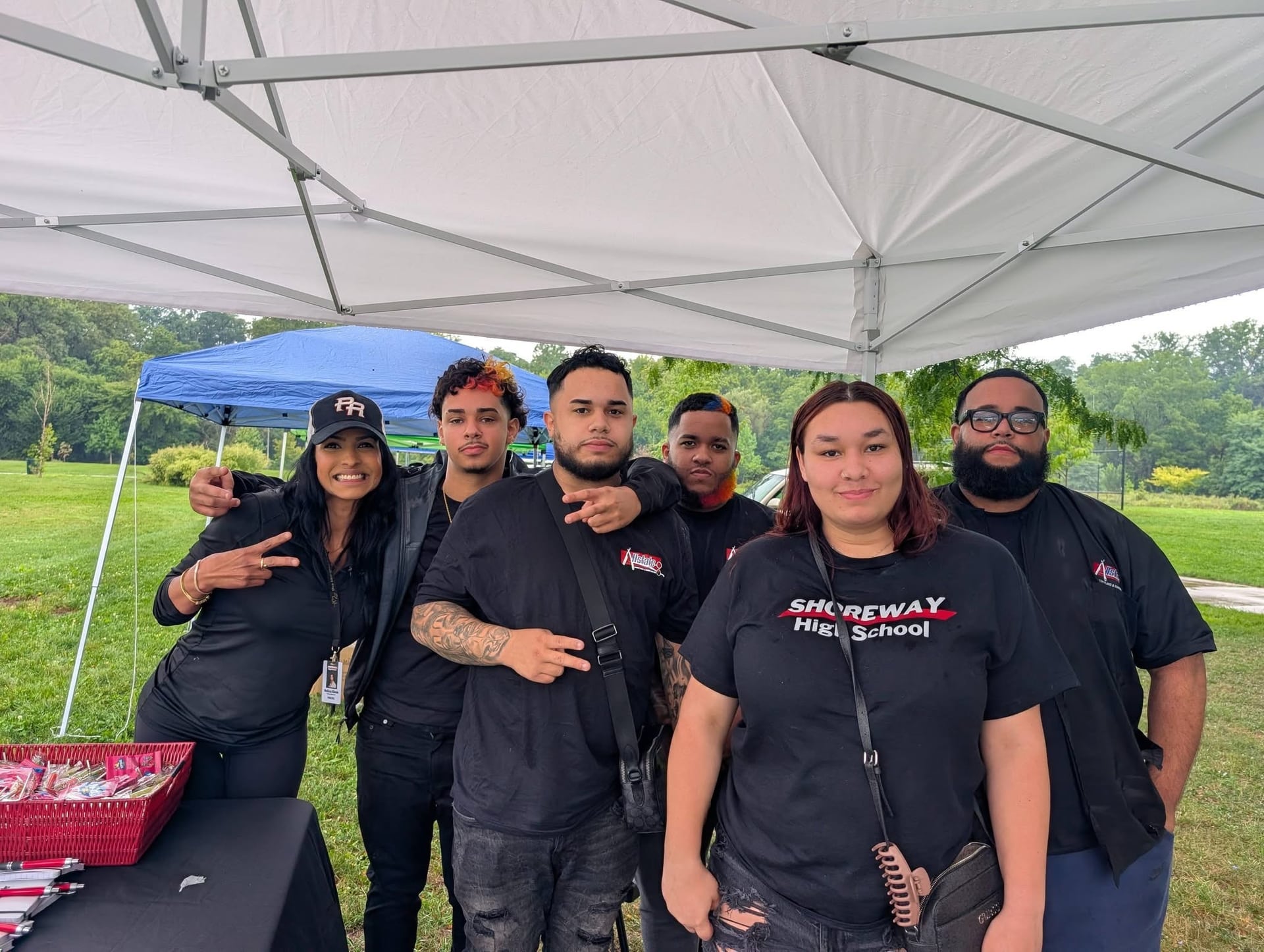
That distinction matters: the Santanas started and organized the initiative, but a public celebration requires more people than its founders. Vendors prepare products and food. Performers bring their work. Volunteers give their time. Families and neighbors decide to show up. The story belongs to that wider network as well as the people who first pursued it.
Why a block party—and why build beyond one day?
The purpose was visible before the event took place. In a July 28 public planning update, Khristian described creating space for Puerto Rican culture, neighborhood families, entrepreneurs, artists and volunteers. His stated priorities included cultural visibility, recognition of elders and a sense of belonging for children.
That offers a fuller explanation than entertainment alone. A food stand can introduce a family business to a new customer. A performance can put a tradition in front of someone encountering it for the first time. A community table can begin a relationship that outlasts the event. Those are opportunities the format can create; they should not be confused with measured sales, attendance or outcomes that have not been documented here.
Moving toward an enduring organization gives the founders a way to ask a larger question: how can the work continue after the tents come down? The nonprofit announcement makes that question timely, but the value of the next chapter will ultimately depend on what the organization delivers and how it explains its work to the community.
How the planning became a working structure
The July update documented practical steps: an event identity and website, free attendee registration, vendor applications, sponsorship opportunities, volunteer and performer interest forms, and a system for managing submissions. It also described collecting Cleveland permit and food-safety resources, developing visitor and accessibility information, and providing English and Spanish material.
These are the less visible parts of community organizing. Someone has to give a vendor a place to apply, keep track of an inquiry, communicate changes and help a family find reliable information. The work involves administration as well as creativity.
When and where the community came together
Early outreach material carried earlier plans, including an August date and the West 32nd Street–Sackett Avenue area. Those materials are part of the planning history. They are not the final event details.
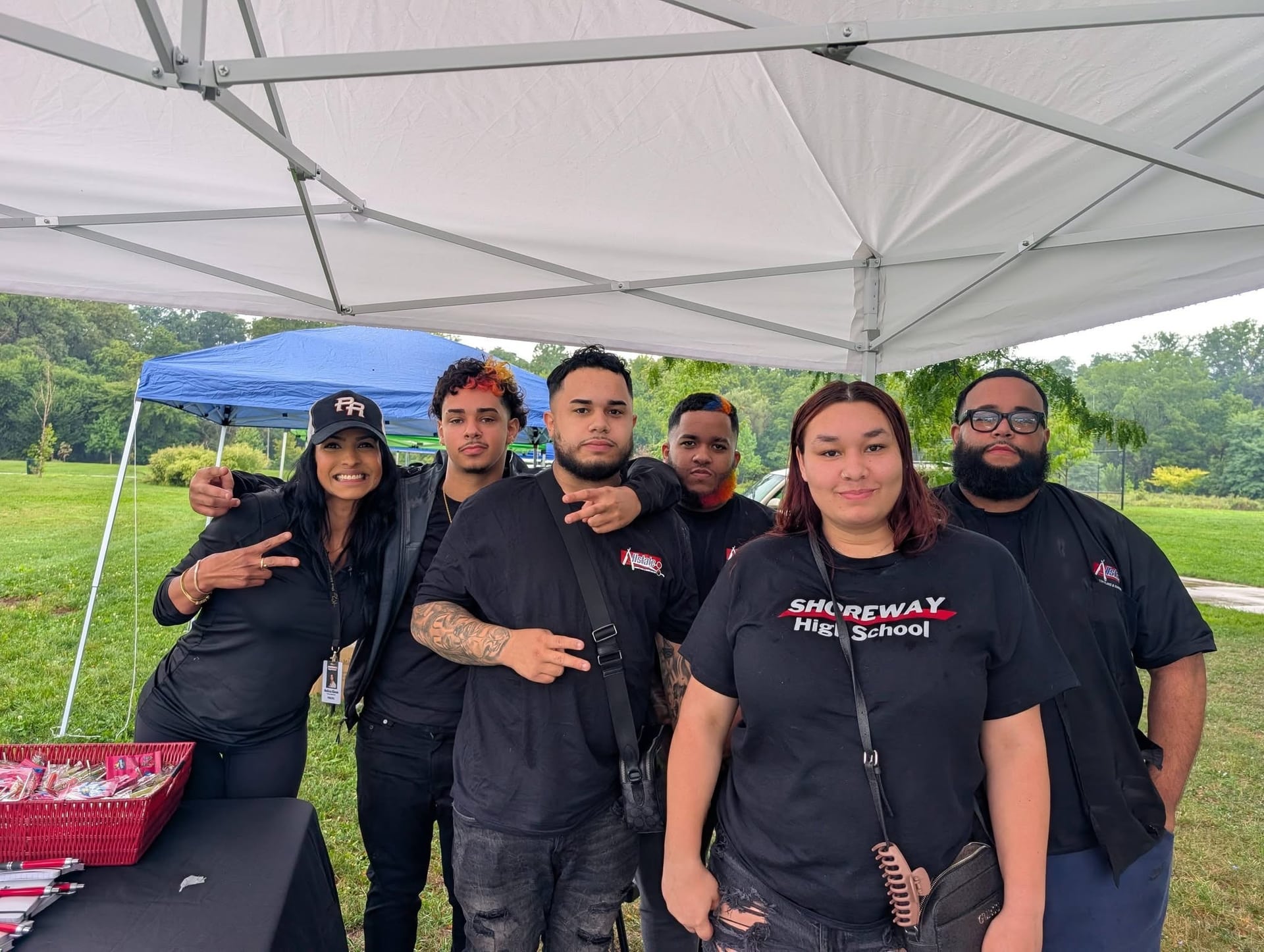
The official retrospective identifies September 12, 2026, at Clark Field as the completed celebration. Its archive includes event-day photographs, vendor and community portraits, and behind-the-scenes images. It thanks attendees, sponsors, vendors, volunteers, artists and neighbors for their participation.
Keeping those stages distinct helps preserve an honest record. A project can change while being built. Explaining the changes gives readers a clearer account of how an early neighborhood idea became a public event.
What the nonprofit milestone means for this next chapter
For the organizers, the reported approval represents a step toward giving the community effort a lasting organizational home. It should also be accompanied by clear public information: the legal organization name, recognition date, leadership, mission and ways supporters can follow its activities.
Ohio nonprofit incorporation and federal tax-exempt recognition are separate matters. The IRS explains that state nonprofit status does not automatically confer federal income-tax exemption. For this story, the organizer specifically reports 501(c)(3) approval. A determination letter or matching IRS record would allow that milestone to be documented more precisely.
Who the next chapter is intended to serve
The public-facing project brings together residents, small businesses, performers, volunteers and community organizations. Its Community Hub is designed to keep those groups connected beyond event day.
The opportunity is to make participation easier: a local entrepreneur can learn how to get involved, a cultural performer can introduce their work, and a neighbor can find official updates. Lasting community value comes from making those pathways useful, accessible and dependable—not simply from adopting an organizational label.
What comes next
The official 2027 event page lists the next celebration for July 24, 2027, from noon to 8 p.m. Venue and address remain to be announced. The 2026 Clark Field location should not be assumed to be the 2027 venue.
Registration pathways are available for attendees, vendors, sponsors, performers, volunteers and partners. Interest forms begin a conversation; they do not by themselves confirm a booking, acceptance or financial commitment.
The journey so far has moved from an idea to organizing systems, from public invitations to a completed celebration, and now to a nonprofit milestone reported by its founder. For Cleveland, the story is about people choosing to build something around culture and connection—and doing the practical work required to give that idea a future.
Follow BoricuaBlockParty.com for confirmed announcements or contact the organizing team to ask about participation.
Publisher disclosure: Cleveland Boricua is a community partner of the Block Party, and this publication is reporting on an initiative led by its own organizers. Organizer statements, independent coverage and official project records are identified throughout. The nonprofit approval announcement is organizer-supplied; supporting approval details remain to be reviewed.